
Table of Contents
- Why Perishable Goods Demand Specialist Logistics
- Cold Chain Logistics Solutions That Protect Your Cargo
- How to Reduce Damaged Cargo Arrivals: Step-by-Step Strategies
- Food Safety Standards for Transport: Compliance and Best Practice
- Frequently Asked Questions
Last Updated: August 30, 2026
Why Perishable Goods Demand Specialist Logistics
Perishable goods present fundamentally different challenges than standard freight. Temperature fluctuations, humidity shifts, and time-sensitive delivery windows create a narrow margin for error. A single temperature breach can render an entire shipment unsaleable, transforming profit into total loss.
Food producers, pharmaceutical companies, and floral exporters operate on tight margins where spoilage translates directly to financial damage. Managing logistics for perishable goods requires precision, real-time visibility, and contingency planning, not just standard warehousing with added refrigeration. The difference between success and spoilage comes down to three factors: maintaining unbroken temperature control throughout transit, minimising handling time at transfer points, and having real-time monitoring that alerts you to problems before they become catastrophic.
Cold Chain Logistics Solutions That Protect Your Cargo
Cold chain solutions span three primary approaches: refrigerated sea freight for high-volume, lower-cost shipments; air freight for time-critical perishables; and hybrid models combining both methods.
Refrigerated sea freight uses specialised container vessels with integrated temperature control systems, ideal for long-distance exports of frozen seafood, dairy, or produce. Transit typically takes 2-4 weeks at significantly lower cost per unit than air freight.
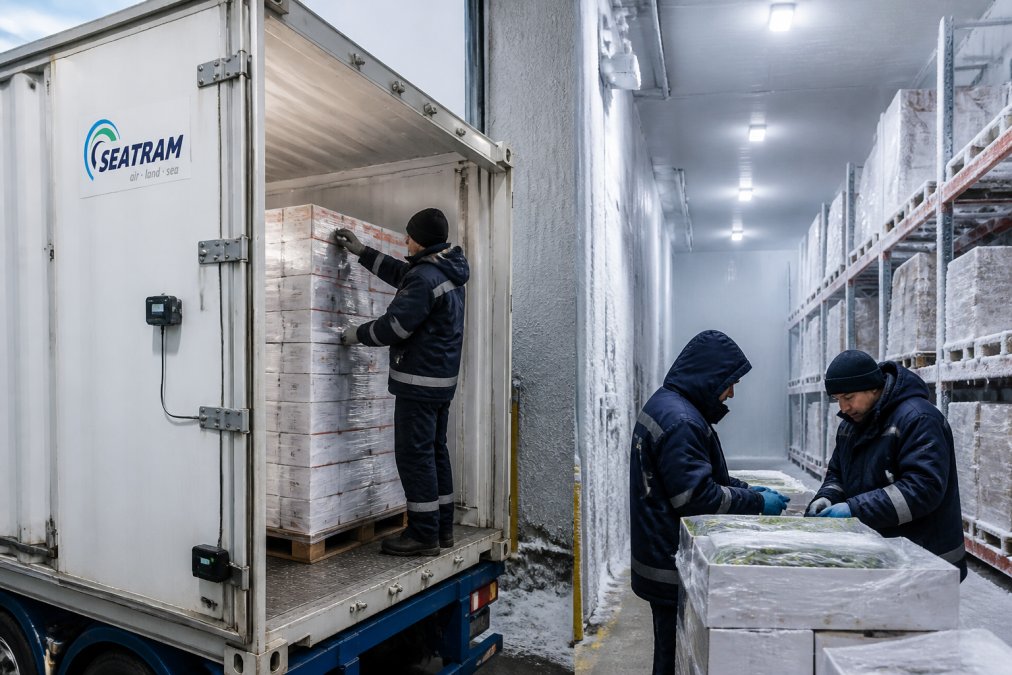
Air freight prioritises speed over cost, reaching destinations in days rather than weeks and maximising shelf life at retail. This suits high-value items like berries, specialty cheeses, or pharmaceutical products where spoilage risk outweighs transport costs, though capacity is limited and rates fluctuate seasonally.
Cross-docking operations transfer cargo directly between incoming and outgoing vehicles with minimal storage time, reducing temperature exposure during handovers and cutting the risk of temperature drift during warehouse storage.
How to Reduce Damaged Cargo Arrivals: Step-by-Step Strategies
Reducing damaged cargo arrivals requires systematic packaging, handling, and monitoring. The most effective strategy combines thermal packaging design with real-time temperature tracking and documented handling protocols.
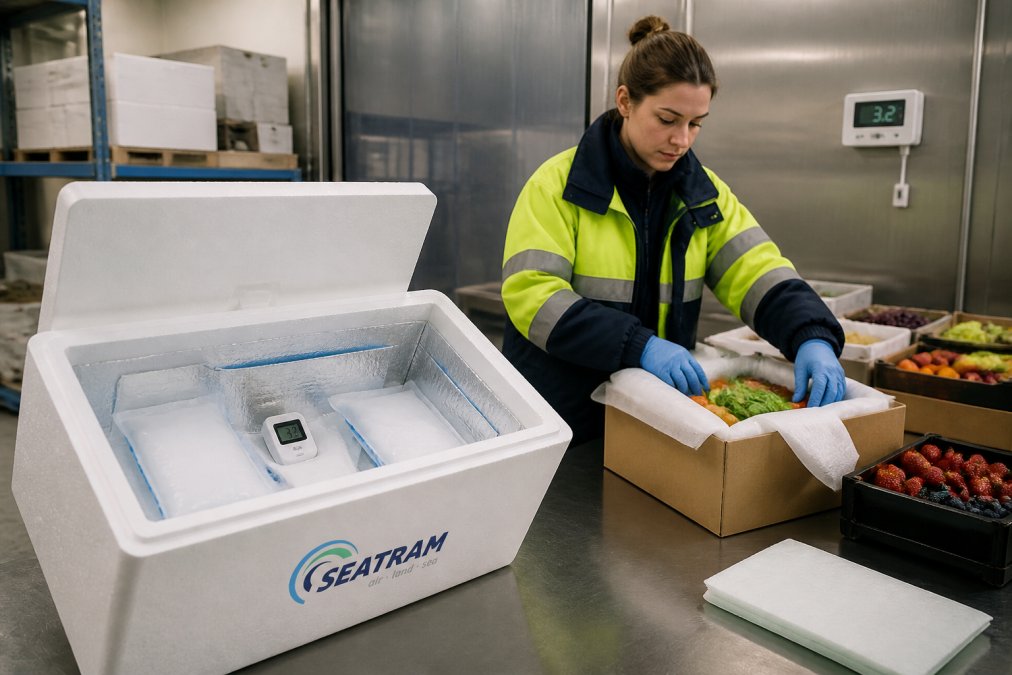
Step 1: Select appropriate thermal packaging. Insulated boxes with phase-change materials or gel packs maintain stable temperatures during transit. Coolant capacity must match your expected transit time and ambient conditions.
Step 2: Implement temperature data logging. Single-use temperature loggers record readings at regular intervals throughout transit, providing compliance evidence and alerting you to excursions before visible spoilage occurs. Advanced systems use IoT sensors that transmit real-time data, allowing intervention if temperatures drift.
Step 3: Minimise dwell time at transfer points. Coordinate closely with ports and logistics partners to ensure cargo moves directly from cold storage to refrigerated transport with no unnecessary delays.
Step 4: Document every handover. Chain-of-custody records create accountability and determine liability if spoilage occurs, informing improvements for future shipments.
Step 5: Establish contingency protocols. If a temperature excursion is detected mid-transit, have a pre-agreed response plan: rerouting to the nearest port, arranging emergency air freight, or notifying the receiver to prepare for accelerated processing upon arrival.
Food Safety Standards for Transport: Compliance and Best Practice
Transport of perishable goods falls under multiple regulatory frameworks. In Australia, the Food Standards Code and Export Control (Eggs and Egg Products) Orders define requirements for temperature maintenance, documentation, and hygiene during transport. Pharmaceutical shipments must comply with Therapeutic Goods Administration guidelines, which mandate temperature control and tamper-evident packaging.
Compliance is non-negotiable. Regulatory breaches result in cargo rejection, destroyed shipments, and potential trade suspension. You remain liable for violations even if a third party caused them.
Best practice requires documented temperature protocols specific to each product. Frozen seafood requires maintenance below −18°C; fresh produce typically requires 0-4°C; pharmaceutical products often have narrower tolerances. Real-time tracking systems demonstrate compliance to regulators and buyers, becoming a competitive advantage for premium products where buyers pay for quality assurance.
Perishable logistics success depends on choosing a partner with genuine cold chain infrastructure and expertise. Seatram’s tailored approach to temperature-controlled transport ensures your cargo reaches its destination safely, on time, and compliant with all regulatory requirements. Request a quote today to discuss your perishable shipping needs.
Frequently Asked Questions
What are the key challenges in perishable goods logistics?
Temperature fluctuations, time constraints, and regulatory compliance create the primary obstacles. Perishable goods logistics requires maintaining precise temperature-controlled conditions throughout the entire supply chain—from warehouse to transport to final delivery. Even brief exposure to incorrect temperatures can compromise shelf life and food safety. Additionally, managing customs clearance, biosecurity requirements, and real-time visibility across multiple transport modes adds complexity that standard freight forwarding cannot address.
How do you reduce damaged cargo arrivals for perishable goods?
Implement thermal packaging tailored to your product’s shelf life requirements, use temperature monitoring devices throughout transit, and select logistics providers with proven cold chain expertise. Establish clear contingency protocols for temperature excursions, schedule shipments to avoid delays during peak periods, and verify that your provider has experience with your specific product category. Regular audits of packaging integrity and real-time tracking visibility help identify issues before arrival.
What food safety standards apply to perishable transport?
Transport of perishable food must comply with Food Standards Australia New Zealand (FSANZ) regulations and the Food Standards Code. These standards mandate temperature control, traceability requirements, and hygiene protocols throughout the cold chain. Your logistics provider must maintain documented evidence of temperature compliance, implement hazard analysis systems, and ensure all personnel handling perishables are trained in food safety practices. International shipments face additional requirements depending on the destination country’s regulations.