
Table of Contents
- Why Your Imported Car Parts Face Biosecurity Inspections
- DAFF Biosecurity Import Conditions and Documentation
- Cleaning Requirements for Used Vehicle Parts Before Arrival
- What Happens During the Physical Inspection
- How to Handle Biosecurity Inspections for Imported Car Parts: Troubleshooting Failures
- Biosecurity Inspection Fees Australia: What to Expect
- How a Freight Forwarder Simplifies the Process
- Frequently Asked Questions
Last Updated: September 9, 2026
Why Your Imported Car Parts Face Biosecurity Inspections
A biosecurity inspection is the mandatory checkpoint where Australian border control officers assess your imported car parts for contamination that could introduce pests or diseases. The core of handling biosecurity inspections for imported car parts is preparation before the cargo reaches the border, because DAFF assesses every consignment for risk material such as soil, seeds, and plant matter.
DAFF Biosecurity Import Conditions and Documentation
DAFF biosecurity import conditions govern every used vehicle part entering the country, and compliance begins with the import declaration and shipping manifest. Biosecurity inspections of imported car parts are triggered by organic debris in the engine bay, undercarriage, belly plates, and track frames. Ensure documentation accurately describes the goods, and check import conditions before shipping since restricted materials may require a permit.
Cleaning Requirements for Used Vehicle Parts Before Arrival
Cleaning requirements for used vehicle parts demand all surfaces be free of contamination, including tyre treads, engine components, and chassis recesses. A thorough decontamination process should include high-pressure washing, steam cleaning, and manual removal of visible soil or plant material. If contamination is found, you may face fumigation, re-export, or destruction of goods.
The cost of quarantine services escalates quickly if your cargo is held, so cleaning before shipment is always more economical.
What Happens During the Physical Inspection
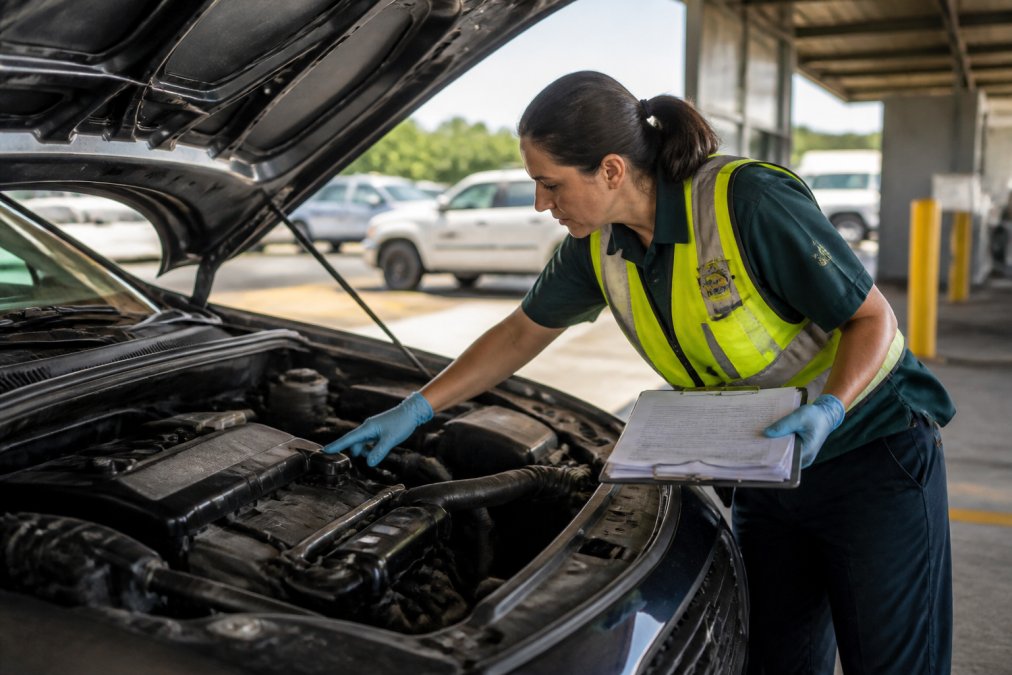
During the physical inspection, a biosecurity officer examines the consignment against the shipping manifest, checking the engine bay, undercarriage, and any cavity where organic matter could collect. The officer determines whether the cargo meets cleanliness standards or requires decontamination or fumigation. If successful, you receive quarantine clearance and the goods move to customs clearance.
How to Handle Biosecurity Inspections for Imported Car Parts: Troubleshooting Failures
When an inspection fails, common reasons are visible organic debris, prohibited goods, or documentation that does not match the cargo. Non-compliance carries fines and penalties, so address the issue immediately. The most effective way to handle biosecurity inspections for imported car parts is to treat cleaning as part of the packing process and use a freight forwarder that understands the process.
|
Problem |
Fix |
Impact |
|---|---|---|
|
Soil in tyre treads |
Wire brush and high-pressure wash |
Passes inspection |
|
Organic debris in engine bay |
Steam clean and manual removal |
Avoids fumigation |
|
Documentation mismatch |
Verify manifest against cargo |
Prevents customs entry delay |
Biosecurity Inspection Fees Australia: What to Expect
Biosecurity inspection fees Australia depend on the consignment size and assessment level. Fees are charged for the inspection activity itself, with additional charges for treatment or storage while held. These costs are separate from standard customs clearance and freight forwarding charges, so budget for them separately.
How a Freight Forwarder Simplifies the Process
Handling biosecurity inspections for imported car parts involves layers of regulation, and a freight forwarder can manage documentation and coordination on your behalf. A specialist provider ensures your import declaration, shipping manifest, and import permit are lodged correctly before arrival, reducing customs entry holds. At Seatram, our team coordinates sea, air, and land freight with customs brokerage and biosecurity services, so your cargo clears efficiently and reaches its destination safely, on time, and on budget.
Cleaning your imported car parts to pass a biosecurity inspection is detailed but manageable with the right documentation and a clear checklist. Get started with Seatram for end-to-end freight forwarding, customs brokerage, and tailored logistics support.
Frequently Asked Questions
Do all imported car parts require a biosecurity inspection?
No. New car parts generally have a lower biosecurity risk. Used parts, especially those with engine components, tyres, or undercarriage sections, are subject to stricter checks. The Department of Agriculture, Fisheries and Forestry (DAFF) assesses each shipment based on its biosecurity risk material. Clean, new parts may clear without a physical inspection, while used parts often require one.
What happens if my imported car parts fail a biosecurity inspection?
If contamination like soil or organic matter is found, you will not get quarantine clearance immediately. Your options typically include having the parts professionally cleaned and re-inspected, or arranging for fumigation. In severe cases, the goods may be directed for re-export or destruction. You will be responsible for the associated costs, so thorough cleaning before shipping is essential.
How can a freight forwarder help with biosecurity clearance?
A freight forwarder can manage the import declaration, liaise with DAFF biosecurity officers, and ensure your compliance documentation is in order before cargo arrival. They can also advise on cleaning requirements for used vehicle parts and coordinate any required inspections or treatments. This reduces the risk of delays and helps you avoid unexpected biosecurity inspection fees.