Table of Contents
- What Cold Chain Logistics Means for Your Food Business
- FSANZ Food Safety Standards for Transport
- Cold Chain Temperature Monitoring Tools
- How to Choose a Cold Chain Logistics Provider
- Frequently Asked Questions
What Cold Chain Logistics Means for Your Food Business
Cold chain logistics is the coordinated management of temperature-controlled storage, handling, and transport for perishable goods from production through to the customer’s hands. For small food businesses, it’s the difference between delivering fresh product and arriving with spoiled inventory that costs thousands to replace.
The cold chain isn’t just one step, it’s a complete system. Temperature-sensitive goods move through multiple handoff points: your facility, a refrigerated transport vehicle, a distribution centre, and finally the last-mile delivery. If any link breaks, the entire shipment is at risk. Small businesses often underestimate how fragile this chain is. One temperature excursion during transit can render an entire shipment unsaleable, yet many operators don’t discover the problem until the goods arrive at their destination.
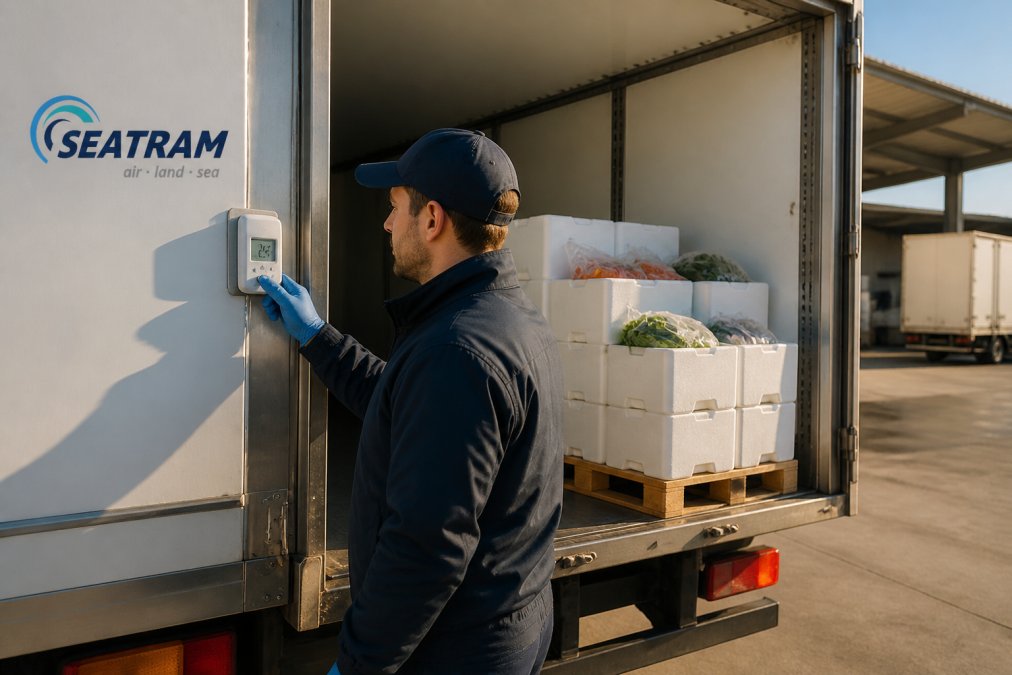
Real-time monitoring, proper thermal packaging, and compliance with food safety standards aren’t optional extras, they’re the foundation of cold chain integrity. For businesses shipping internationally, regulatory guidelines add another layer of complexity. That’s where a specialist logistics provider becomes essential. Seatram understands the unique demands of perishable exports and manages every variable so your product arrives fresh and compliant.
FSANZ Food Safety Standards for Transport
Food safety standards in this market are governed by the Food Standards Code, administered by Food Standards Australia New Zealand (FSANZ). The Code sets mandatory requirements for temperature control, traceability, and documentation when moving perishable goods across borders or between states.
For cold chain logistics, the critical requirement is maintaining specified temperature ranges throughout transport. Different products have different thresholds: frozen goods typically require -18°C or below, chilled products need 0-5°C, and some items have narrower windows. FSANZ requires businesses to validate their cold chain before first use and maintain records proving compliance. This validation includes testing your refrigerated transport, measuring temperature stability during typical transit times, and documenting that your packaging keeps goods within acceptable ranges.
Compliance also demands clear labelling, lot traceability, and proof of temperature control at every handoff. Small businesses often skip this documentation step, thinking it’s bureaucratic overhead. It’s not, it’s your liability protection. If a shipment arrives spoiled and a customer gets sick, you need records showing you maintained the cold chain. Without them, you’re liable.
Cold Chain Temperature Monitoring Tools
Temperature monitoring is non-negotiable. Data loggers, small devices that record temperature at set intervals, are the standard tool. They sit inside your shipment and create a time-stamped record of every temperature fluctuation during transit.
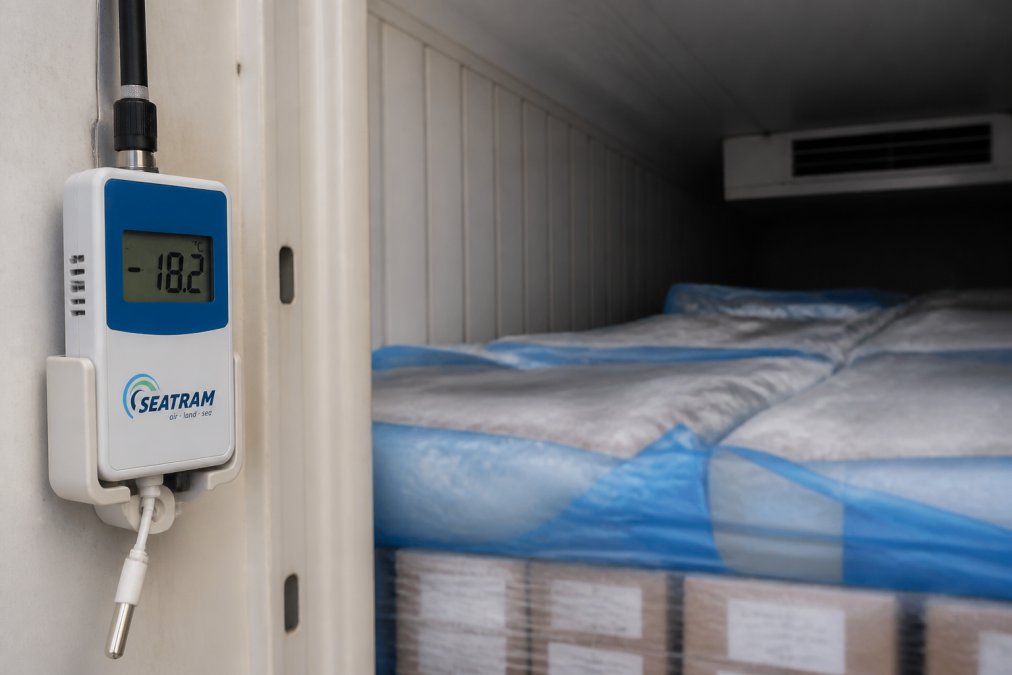
Modern data loggers send alerts if temperature drifts outside acceptable ranges, giving you real-time visibility instead of discovering problems after delivery. Some integrate with logistics platforms, so you see temperature data alongside shipment tracking. This matters because it lets you intervene mid-transit if something goes wrong, reroute the shipment, contact the carrier, or notify the receiver to expect compromised goods.
The cost of a data logger is minimal compared to the cost of a spoiled shipment. For small businesses doing regular cold chain shipments, this is essential infrastructure, not a nice-to-have. Pair monitoring with proper thermal packaging, insulated boxes, gel packs, or phase-change materials, and you’ve built the foundation of supply chain integrity.
How to Choose a Cold Chain Logistics Provider
Choosing the right provider determines whether your cold chain works or fails. Look for a partner with demonstrable cold chain experience, not just general freight forwarding capability.
Ask specific questions: How do they validate temperature control? What monitoring do they use? What happens if a temperature excursion occurs, do they have contingency procedures? Do they handle all customs documentation and biosecurity requirements, or will you be chasing paperwork yourself? A responsive provider should answer these clearly and provide references from businesses similar to yours.
Pricing matters, but it’s not the only factor. A cheaper provider who cuts corners on temperature monitoring or documentation will cost far more when shipments arrive spoiled. Seatram’s approach is tailored to small business needs, we validate your cold chain upfront, monitor temperature throughout transit, handle all regulatory compliance, and provide real-time tracking so you know exactly where your shipment is. We’ve built this service for businesses requiring international shipping, where reliability and responsiveness matter.
Frequently Asked Questions
What are the key requirements for cold chain logistics compliance in my food shipments?
Cold chain logistics must maintain consistent temperatures throughout transport to prevent food spoilage and meet FSANZ food safety standards for transport. Small food businesses must document temperature records, use calibrated monitoring equipment, and ensure thermal packaging protects products from temperature excursions. Your logistics provider should maintain cold storage facilities, use refrigerated transport vehicles, and provide real-time monitoring data. Non-compliance risks product recalls, customer illness, and regulatory penalties from food safety authorities.
How do cold chain temperature monitoring tools help prevent spoilage?
Cold chain temperature monitoring tools track ambient conditions throughout shipment, alerting you immediately if temperatures deviate from safe ranges. Data loggers record readings at regular intervals, creating a compliance record for regulators and customers. Real-time alerts allow you to take corrective action before products spoil—rerouting shipments, adding ice packs, or notifying recipients of delays. This visibility reduces waste, protects your reputation, and demonstrates due diligence to food safety inspectors.
What should I look for when choosing a cold chain logistics provider for my small business?
Evaluate providers on their cold chain infrastructure (refrigerated warehouses and transport vehicles), experience with your specific product type, and transparent pricing that includes all fees upfront. Verify they maintain FSANZ compliance documentation, offer real-time tracking, and carry appropriate insurance for perishable cargo. Ask for references from similar-sized businesses and confirm they can handle your shipment volume without delays. Request a detailed breakdown of what’s included in their rates—fuel surcharges, port fees, and handling costs should be clearly stated before you commit.