
Table of Contents
- What Freight Forwarding for Manufacturing Involves
- Customs Clearance Requirements for Industrial Goods
- Freight Forwarding Cost Factors and Budget Planning
- Importing Raw Materials for Production: Supply Chain Essentials
- Frequently Asked Questions
Last Updated: August 30, 2026
What Freight Forwarding for Manufacturing Involves
Freight forwarding for manufacturing is coordinating and managing the movement of raw materials, components, and finished goods across domestic and international borders. A freight forwarder acts as an intermediary between your production facility and final destination, handling documentation, customs clearance, and delivery.
For manufacturers, this means supply chain visibility, regulatory compliance, and keeping production schedules on track. When a component shipment arrives late or customs holds your cargo, your entire production line can halt. That’s why choosing the right logistics partner matters.
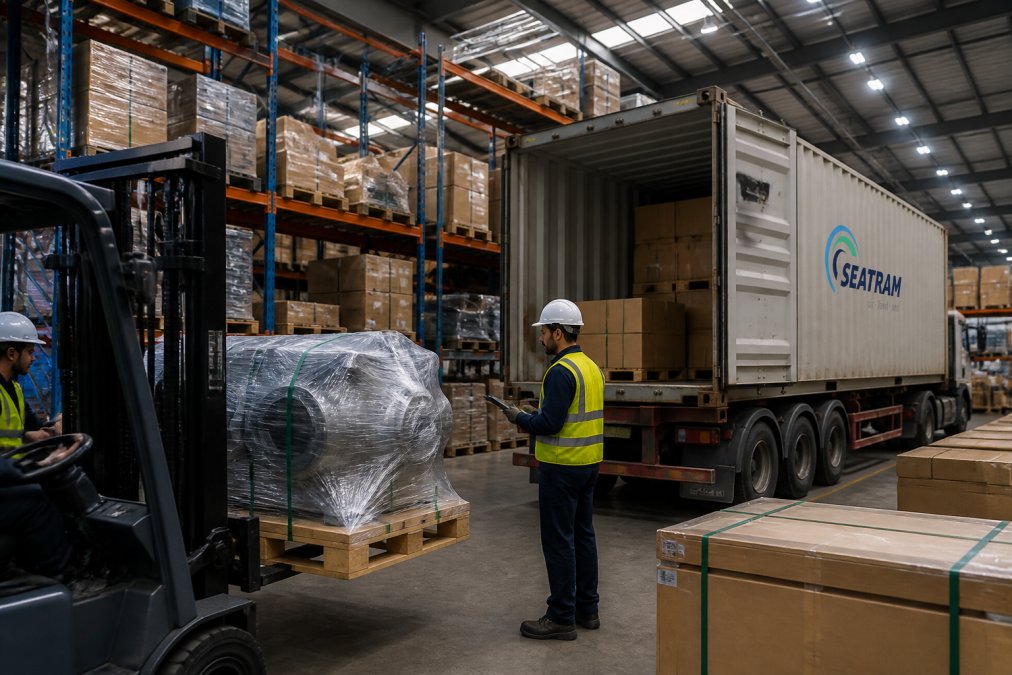
Freight forwarding spans multiple modes: sea freight for heavy bulk shipments, air freight for time-sensitive components, and land transport for regional distribution. Many manufacturers operate on just-in-time delivery models, meaning inventory arrives precisely when needed. This demands real-time tracking, predictable lead times, and a logistics partner who understands the consequences of delays. A reliable freight forwarder manages multimodal transport, consolidates shipments to optimise costs, and navigates regulations so your team can focus on production.
Customs Clearance Requirements for Industrial Goods
Customs clearance for manufacturing imports involves tariff classification, documentation accuracy, and compliance with biosecurity regulations. The Australian Border Force (ABF) administers import procedures, and errors trigger delays, penalties, or cargo seizure.
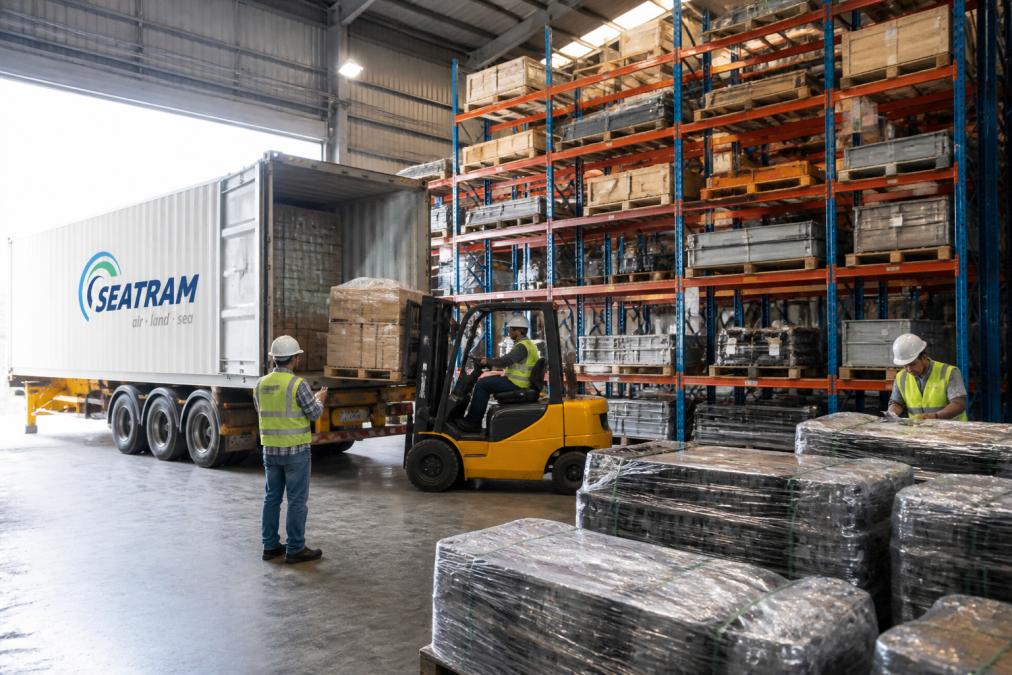
Industrial goods require specific documentation: commercial invoices, packing lists, certificates of origin, and technical specifications depending on product category. Hazardous materials demand additional safety documentation. Raw materials may qualify for concessional tariff rates under trade agreements, but only if documentation proves origin requirements are met.
Tariff misclassification costs money. A component classified under the wrong code attracts higher duties or triggers compliance reviews that delay future shipments. A freight forwarder experienced in manufacturing imports knows which goods require advance permits, which fall under restricted categories, and how to structure documentation to minimise clearance time.
Freight Forwarding Cost Factors and Budget Planning
Freight forwarding costs depend on shipment weight and volume, origin and destination, mode of transport, cargo type, and market rates. Weight-based pricing applies to lighter goods; dimensional pricing applies when cargo takes up significant space. Additional charges cover consolidation, warehousing, labelling, and documentation. Fuel surcharges and port fees vary monthly.
Budget planning requires understanding what’s included in a quote. Request a detailed breakdown so you know exactly what you’re paying for. A partner like Seatram provides customised quotes reflecting your specific shipping profile, with upfront costs and no surprise charges.
Importing Raw Materials for Production: Supply Chain Essentials
Raw material imports are the backbone of manufacturing supply chains. Supply chain visibility, knowing exactly where your shipment is at any moment, prevents costly production delays.
Lead time optimisation is critical. A manufacturer importing materials monthly needs predictable transit times. Air freight cuts lead time but costs more; sea freight is economical for bulk orders but requires longer planning windows. Many manufacturers use a hybrid approach: routine orders via sea, urgent replenishment via air.
Documentation must align with your production process. Incoterms define responsibility for freight, insurance, and risk transfer. Understanding Incoterms prevents disputes and ensures cost allocation is clear.
Real-time tracking systems let you monitor shipments from origin warehouse to your loading dock. This visibility reduces the risk of lost or delayed cargo and helps you plan production schedules with confidence. A logistics partner with strong tracking infrastructure providing continuous updates is essential for manufacturing operations running on tight timelines.
Navigating freight forwarding for manufacturing requires a partner who understands production schedules, regulatory complexity, and the cost of delays. Seatram specialises in tailored logistics solutions for manufacturers, offering end-to-end supply chain management, real-time tracking, and customs expertise. Whether you’re importing raw materials, managing international components, or coordinating multimodal transport, our team ensures your cargo arrives safely, on time, and on budget. Request a quote today and discover how customised freight forwarding can simplify your supply chain.
Frequently Asked Questions
How are freight forwarding costs calculated for industrial cargo?
Freight forwarding cost factors include cargo weight, dimensions, classification, origin and destination, transport mode (air, sea, or land), and urgency. Hazardous materials and temperature-controlled goods incur additional handling fees. Customs clearance, documentation, and insurance add to the total. Fuel surcharges and port fees may apply depending on market conditions. Request a detailed quote that itemises all charges to avoid unexpected costs.
What should manufacturers look for in a freight forwarding partner?
Choose a partner with proven experience handling your specific cargo type—whether perishables, hazardous materials, or oversized equipment. Verify they offer real-time tracking, door-to-door or wharf-to-wharf options, and transparent pricing. Check their customs clearance capability and responsiveness to urgent requests. References from similar manufacturers and a track record of on-time, damage-free delivery are essential indicators of reliability.
How does customs clearance impact manufacturing lead times?
Delays in customs clearance can extend lead times by days or weeks, disrupting production schedules and JIT (just-in-time) supply chains. Proper documentation, tariff classification, and compliance with biosecurity requirements reduce hold-ups. A freight forwarder experienced in customs clearance requirements for industrial goods can streamline the process, ensuring rapid cargo release and predictable delivery windows critical to manufacturing operations.