
Table of Contents
- Why Freight Quotes Vary So Much Across Providers
- What to Gather Before Requesting a Freight Quote
- Air Freight vs Sea Freight for Imports: Which Quote Fits Your Cargo
- Your Freight Quote Comparison Checklist
- Understanding Freight Surcharges and Hidden Fees
- Freight Insurance, Liability and Packaging Requirements
- Common Mistakes When Comparing Freight Quotes
- Frequently Asked Questions
Last Updated: September 17, 2026
Why Freight Quotes Vary So Much Across Providers
Two freight quotes for the same shipment can differ by hundreds of dollars, and the gap is rarely random. If you want to know how to compare freight quotes Australia-wide without getting burned, you have to understand what sits behind each number before you look at the total.
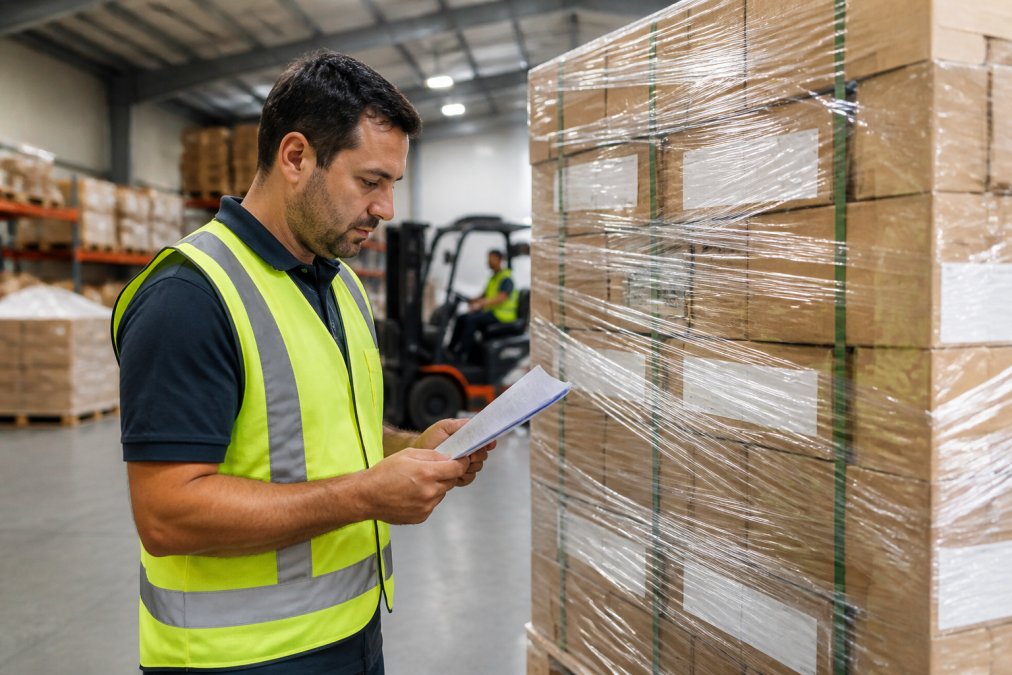
Four things move the number more than anything else:
- Chargeable weight. Providers bill on the greater of actual weight or cubic weight, so bulky light cargo gets priced on space, not kilos.
- Freight classification. Fragile, hazardous or oversized goods carry higher handling costs.
- Service level. Express vs economy changes the routing, and the price with it.
- Surcharges. Fuel levies, port fees and accessorials vary widely between providers.
Most guides focus on the headline rate. The real difference is usually in what sits below it.
What to Gather Before Requesting a Freight Quote
Accurate quotes start with accurate details. Missing information is the single biggest cause of a quote that changes after booking, so gather everything before you approach any provider.
Documents and Details That Speed Up the Process
Have these ready for every request:
- Origin and destination addresses, including postcode
- Cargo description and freight classification
- Actual weight and dimensions per item or pallet
- Number of pallets, cartons or loose items
- Whether the cargo is stackable
- Pickup availability and required delivery window
- Any hazardous, perishable or oversized items
- Commercial invoice and packing list for imports
- Whether you need door-to-door delivery or wharf-to-wharf
The more complete your shipping manifest, the tighter the quote. Vague details force providers to pad the price to cover uncertainty.
Air Freight vs Sea Freight for Imports: Which Quote Fits Your Cargo
Choosing between air freight vs sea freight for imports comes down to two trade-offs: speed against cost, and weight against volume. But the quote you receive depends on more than the headline rate, it depends on how each mode calculates chargeable weight, what clearance pathway applies, and what accessorial charges attach to your specific cargo.
How Each Mode Prices Your Consignment
Air freight is billed on chargeable weight, which is the greater of actual weight or volumetric weight. The volumetric divisor used by most international air carriers is 6,000 cubic centimetres per kilogram, so a light but bulky carton can be priced as if it were heavy. Air also attracts a security surcharge, a fuel surcharge that adjusts frequently, and terminal handling at both the origin and destination airports.
The Real Trade-Offs for Importers
|
Factor |
Air Freight |
Sea Freight |
|---|---|---|
|
Transit time |
Days |
Weeks |
|
Cost per kilo |
Higher |
Lower |
|
Cost per cubic metre |
Very high |
Low |
|
Best for |
Perishables, urgent, high-value, low-volume |
Bulk, heavy, non-urgent |
|
Chargeable basis |
Greater of actual or volumetric weight (6,000 divisor) |
Greater of cubic metre or tonne (revenue tonne) |
|
Clearance pathway |
Air cargo reporting, often expedited |
Sea cargo reporting, container examination possible |
|
Biosecurity risk |
Lower volume, but still inspected |
Higher volume, more likely to be inspected |
What Changes the Quote on the Same Consignment
- Whether they quote door-to-door or port-to-port
- Whether terminal handling and destination delivery are included
- Whether biosecurity inspection costs are passed through or absorbed
- Whether the quote assumes a full container load or shared LCL space
Australian Border Force cargo reporting guidance sets out the reporting requirements for both air and sea cargo, and the clearance pathway can affect your total cost as much as the freight rate itself.
Your Freight Quote Comparison Checklist
A quote comparison only works if every provider prices the same thing. Line up the details side by side and the cheapest option often stops being the cheapest.
Line-By-Line Comparison Table
|
Line item |
Provider A |
Provider B |
Provider C |
|---|---|---|---|
|
Base freight rate |
|||
|
Fuel surcharge |
|||
|
Terminal handling |
|||
|
Customs clearance |
|||
|
Insurance |
|||
|
Delivery estimate |
|||
|
Total landed cost |
Fill this in for every quote. If a provider leaves a line blank, ask why before you compare totals.
Understanding Freight Surcharges and Hidden Fees
Surcharges are where a low headline rate quietly becomes an expensive shipment. Understanding freight surcharges before you book is the difference between a quote you can trust and a bill you did not expect.
Watch for these common add-ons:
- Fuel surcharge, adjusted regularly with fuel prices
- Port and terminal fees, charged at each end
- Waiting time, if a truck is held at pickup or delivery
- Tail-lift or crane fees for sites without a loading dock
- Remote area surcharges for regional delivery
- Biosecurity inspection fees on import cargo
Freight Insurance, Liability and Packaging Requirements
Packaging requirements change with the freight type:
- Palletized freight needs shrink wrap and edge protection
- Loose cartons need double-walled board and internal cushioning
- Perishables need temperature-controlled packing and cold-chain handling
- Hazardous cargo needs compliant labelling and documentation
Australian Border Force cargo reporting guidance sets out the reporting and documentation standards import cargo must meet, and packaging that fails inspection can delay clearance.
Common Mistakes When Comparing Freight Quotes
The same errors show up again and again, and each one costs money. But the most expensive mistakes are not the obvious ones, they are the ones that only surface after the cargo has shipped, when the quote you accepted turns into an invoice you did not expect.
The Mistakes That Actually Cost Money
- Comparing totals without checking what is included. A quote that excludes terminal handling, destination delivery, or biosecurity inspection is not cheaper, it is incomplete.
- Ignoring transit time in favour of the lowest rate. A saving of a few hundred dollars on a sea freight quote can cost thousands in lost sales if the cargo arrives after your stock-out date.
- Skipping insurance to save on the quote. Standard carrier liability is capped and covers only limited circumstances. Freight insurance covers the full declared value of your cargo against loss or damage in transit. For high-value or perishable consignments, insurance is not optional.
- Using different Incoterms across providers. A door-to-door quote compared against a wharf-to-wharf quote is not a comparison, it is a trap.
- Forgetting biosecurity and customs costs on imports. These are real line items, not rounding errors, and they vary by cargo type and origin.
- Not asking about tracking and delivery updates. A cheap quote with no visibility can cost more in customer service time than a slightly higher quote with real-time tracking.
The Hidden Surcharges That Cause Bill Shock
Surcharges are where a low headline rate quietly becomes an expensive shipment. Watch for these common add-ons:
- Fuel surcharge, adjusted regularly with fuel prices
- Port and terminal fees, charged at each end
- Waiting time, if a truck is held at pickup or delivery
- Tail-lift or crane fees for sites without a loading dock
- Residential surcharges for deliveries to homes rather than commercial addresses
- Remote area surcharges for regional delivery
- Biosecurity inspection fees on import cargo
How Packaging Changes Your Quote
- Increase the chargeable weight if the packaging adds unnecessary volume
- Void an insurance claim if the cargo is damaged in transit
- Fail biosecurity inspection, leading to delays and additional costs
- Require re-palletising at the depot, which is charged back to you
Knowing which quote actually fits your cargo, and what it will really cost, is the harder, more valuable skill.
Frequently Asked Questions
How can I compare shipping quotes fairly when every provider formats them differently?
Standardise the comparison by requesting a door-to-door delivered price, including all surcharges, for the same consignment details. Ask each provider to break out line items such as fuel surcharge, terminal handling, customs clearance and delivery. Convert everything to a single currency and note the quote validity period. Then use a checklist to score each quote on total cost, transit time, tracking quality and inclusions. This approach removes formatting bias and lets you compare freight quotes on equal terms.
What hidden fees should I look for in a freight quote?
Common hidden fees include fuel surcharges that change weekly, port congestion or terminal accessorials, wharf cartage, biosecurity inspection charges, customs entry fees, storage if your container is held, and after-hours delivery surcharges. Some quotes exclude GST, duty or quarantine costs. Ask for a written list of what is included and what triggers an extra charge. If a provider cannot give you that list upfront, treat the quote as incomplete rather than cheap.
Is the cheapest freight quote always the best option?
No. A low headline rate often excludes surcharges, uses slower consolidated services, or offers minimal tracking and support. Compare total landed cost, transit time reliability and liability coverage. A slightly higher quote that includes customs brokerage, insurance and real-time tracking can save money by avoiding delays, spoilage and rework.
What information do I need to provide to get an accurate freight quote?
You will need the cargo description, HS code if known, total weight and dimensions, number of pallets or cartons, whether it is palletised or loose, pickup and delivery addresses, ready date, and whether the cargo is hazardous, perishable or oversized. For imports, include the supplier’s location and Incoterms. Accurate cubic weight and dimensional weight figures prevent re-quotes later. If you are unsure, ask the provider to confirm what they need before they price the job. Comparing freight quotes is really an exercise in reading the fine print, and the lowest number is rarely the best one. Seatram takes the guesswork out of it with customised door-to-door and wharf-to-wharf solutions, one platform to manage every shipment, and a team that treats accounts of every size with the same care. Request a quote from Seatram and compare with the full picture in front of you.