
Table of Contents
- What Integrated Supply Chain Management Software Does
- How to Automate Customs Clearance Documentation
- Supply Chain Visibility Tools and Real-Time Tracking
- Frequently Asked Questions
Last Updated: September 26, 2026
What Integrated Supply Chain Management Software Does
Integrated supply chain management software is a unified platform that connects procurement, inventory, production, and logistics operations into a single system. Rather than managing disparate tools across different departments, this software gives you end-to-end visibility from supplier to customer, tracking orders, stock levels, and shipments in real time.
The core value lies in eliminating data silos, when teams work from the same information, delays shrink, costs drop, and mistakes become rare.
How to Automate Customs Clearance Documentation
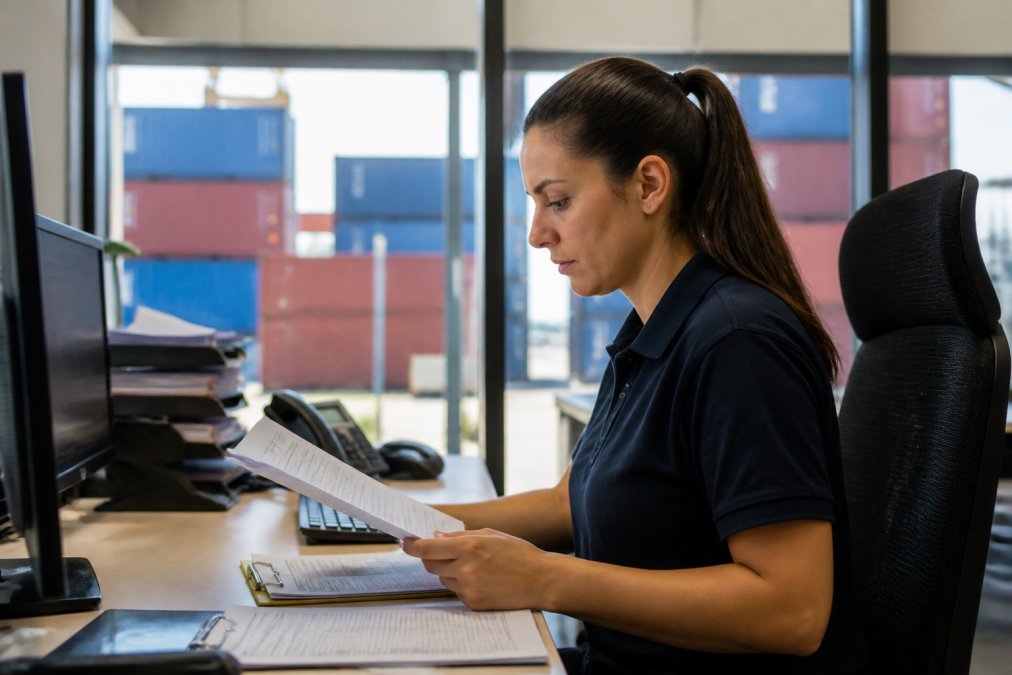
Customs paperwork is a major friction point in international freight; automating it pre-fills forms, flags compliance issues, and routes documentation without manual handoffs.
Systems integrate with customs portals to submit declarations electronically, capturing product codes, origins, values, and hazard classifications, then mapping them to correct tariff schedules and regulatory requirements.
Automation eliminates transcription errors, wrong HS codes, missing declarations, mismatched weights.
Supply Chain Visibility Tools and Real-Time Tracking
Real-time tracking transforms how you respond to delays. Rather than discovering a shipment is stuck three days after it should have arrived, visibility software alerts you the moment a container misses a scheduled port departure or a truck breaks down en route.
These tools pull data from multiple sources, vessel tracking systems, GPS coordinates, port authority feeds, and customs checkpoints, and display them on a unified dashboard. You see exactly where your freight is, what stage of clearance it’s in, and whether it’s on schedule to meet your customer’s deadline.
The business impact is direct. When your team can see a delay forming, you have time to notify customers, arrange alternative routing, or adjust production schedules. Supply chain resilience depends on knowing what you have and where it is at any moment.
Frequently Asked Questions
What is an integrated supply chain?
An integrated supply chain connects all operations—procurement, inventory, production, logistics, and fulfillment—through a single platform. This end-to-end visibility means real-time data flows between departments, reducing delays and errors. For freight forwarding and customs clearance, integration ensures documentation, tracking, and compliance requirements are coordinated automatically rather than managed separately.
How does integrated supply chain management software improve customs clearance efficiency?
Integrated software automates customs clearance documentation by pre-populating forms with shipment data, flagging compliance issues before submission, and maintaining audit trails. This reduces manual data entry errors and accelerates clearance times. The system tracks regulatory requirements by destination, ensuring your shipments meet local biosecurity, hazardous cargo, and import regulations.
What features should businesses look for in an integrated supply chain management platform?
Prioritise end-to-end visibility across sea, air, and land freight; real-time tracking that updates throughout transit; and automated customs documentation and compliance management. For international shipping, ensure the platform handles multiple currencies, regulatory requirements across destinations, and integrates with your existing systems to avoid duplicate data entry and operational friction.
Managing international freight, customs compliance, and complex logistics requires more than visibility, it requires a partner who understands the details. Seatram combines specialist freight forwarding expertise with the systems and processes that keep shipments moving safely, on time, and on budget. Request a quote today to see how integrated supply chain solutions can streamline your operations.