Table of Contents
- Why Real-Time Shipment Tracking Matters for Importers
- How Real-Time Tracking Works: From Port to Door
- Freight Visibility Software Benefits and What to Look For
- Managing Freight Delays With Real-Time Data
- Frequently Asked Questions
Last Updated: August 30, 2026
Why Real-Time Shipment Tracking Matters for Importers
Real-time shipment tracking is essential for importers managing international supply chains. When goods cross borders and oceans, visibility is the difference between meeting deadlines and facing costly delays. Most importers struggle with fragmented data, shipments travel through multiple carriers, ports, and jurisdictions, each operating separate systems. Without integrated tracking, you’re left piecing together information from emails and outdated status pages, creating blind spots that cost thousands in rushed fees, spoiled goods, or missed sales.
Real-time updates let you anticipate delays, communicate proactively with customers, and make informed decisions about alternative routing or expedited clearance. Supply chain visibility transforms how you manage risk, allocate resources, and maintain customer trust.
How Real-Time Tracking Works: From Port to Door
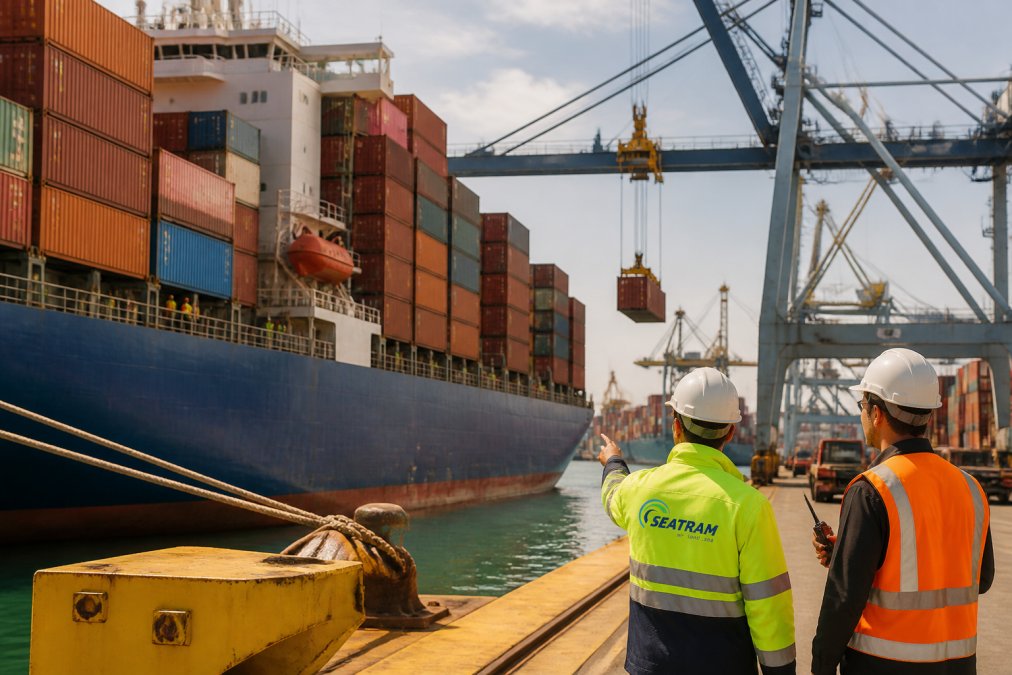
Real-time shipment tracking integrates GPS, IoT sensors, and API connections across the freight journey to deliver continuous visibility. GPS trackers transmit location coordinates at regular intervals. Port systems automatically flag when cargo is loaded, unloaded, or moved between terminals. Customs authorities share clearance status updates through official channels. Each data point feeds into a centralised dashboard, giving you unified visibility of your shipment’s exact status and location.
Logistics software acts as the hub aggregating these signals. Rather than checking five different systems, you access one platform showing port operations, customs progress, carrier handoffs, and final delivery status. Integration with your existing ERP or order management system means tracking data flows directly into your workflows without manual entry.
Freight Visibility Software Benefits and What to Look For
Freight visibility software delivers measurable operational benefits for importers. The primary advantage is exception management: you’re alerted immediately when delays occur, allowing you to adjust plans before customers notice. Real-time data also reveals inefficiencies in your supply chain, routes with consistent delays, carriers with poor on-time performance, or ports where clearance takes longer than expected. Armed with this intelligence, you can negotiate better terms, choose faster carriers, or adjust import schedules to avoid peak congestion.
When evaluating freight visibility software, prioritise these capabilities:
- Live location tracking with GPS or IoT integration across all transport modes
- Automated alert systems that notify you of delays, customs holds, or delivery exceptions
- API integration with your existing logistics software and ERP systems
- Multi-modal visibility covering sea, air, and land freight in a single interface
- Customs documentation tracking showing real-time progress through import clearance workflows
- Proof of delivery confirmation with timestamps and recipient details
- Historical reporting so you can analyse trends and identify systemic issues
The software should provide an intuitive dashboard that operations teams can use daily without extensive training.
Managing Freight Delays With Real-Time Data
Delays are inevitable in international freight. Port congestion, weather, mechanical issues, and customs inspections are often beyond your control. What you can control is how quickly you respond. Real-time data enables that response.
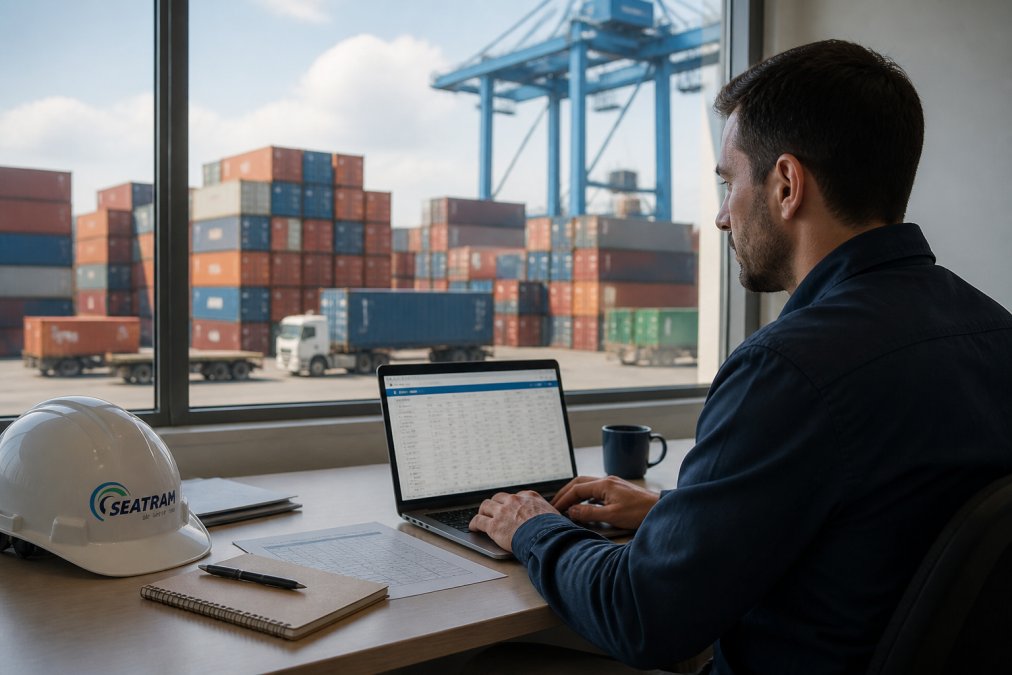
When tracking data shows your shipment is delayed at a port, you have options. Contact your carrier to explore expedited handling. Notify your customer of the revised delivery window. Adjust your warehouse receiving schedule. Reroute goods to a secondary distribution centre. Exception management transforms delays from disasters into manageable operational challenges. Real-time tracking also builds resilience into your supply chain over time by revealing which ports consistently experience delays, which carriers perform reliably in specific lanes, and seasonal patterns in customs clearance times.
Real-time shipment tracking removes guesswork from international logistics. When you know exactly where your cargo is and what’s happening at each stage, you move from reactive problem-solving to proactive supply chain management. The cost of visibility is trivial compared to the cost of a delayed shipment or spoiled cargo.
Seatram helps importers implement end-to-end tracking solutions tailored to your specific freight types and routes. Whether you’re managing perishables requiring temperature monitoring, automotive parts demanding precision scheduling, or general cargo needing customs coordination, real-time visibility keeps your supply chain moving. Request a quote to discuss how integrated tracking can improve your import operations.
Frequently Asked Questions
How does real-time shipment tracking work for international freight?
Real-time tracking uses GPS, RFID sensors, and IoT devices attached to containers or pallets to transmit location data continuously throughout the shipment lifecycle. This data flows through logistics software platforms that consolidate updates from carriers, ports, and customs authorities. Importers receive automated alerts at each milestone—departure, port arrival, customs clearance, and final delivery—giving them precise visibility from origin to destination.
What are the key benefits of freight visibility software for importers?
Freight visibility software benefits include reduced supply chain disruptions, faster customs clearance coordination, and the ability to respond to delays before they impact your business. Real-time data lets you forecast arrival times accurately, manage warehouse capacity, and communicate reliably with customers. You’ll also catch exceptions early—a delayed customs inspection or weather-related hold—so you can take corrective action rather than discovering problems after delivery fails.
How can I implement supply chain visibility best practices in my business?
Supply chain visibility best practices start with choosing logistics software that integrates with your existing systems and provides automated alerts for every shipment stage. Establish clear escalation protocols for exceptions and delays. Request proof of delivery and customs documentation from your freight forwarder. Review tracking data regularly to identify patterns—frequent delays at specific ports or carriers signal where to focus improvement efforts. Finally, maintain open communication with your forwarder so they can proactively flag risks before they become problems.