
Table of Contents
- What Premium Freight Rates Actually Buy
- Common Hidden Port Charges in Australia and How to Spot Them
- How to Simplify Customs Clearance and Meet Australian Border Force Import Requirements
- Why Cheap Freight Rates Often Cost More
- The Role of Customs Compliance in Avoiding Delays
- Incoterms and Liability: Who Pays When It Goes Wrong
- Risk-Adjusted ROI: The Calculation Most Importers Skip
- How to Choose a Reliable Freight Forwarder
- Peak Season Shipping Challenges
- The True Cost of Expedited Shipping
- The Impact of Documentation Errors on Customs
- Frequently Asked Questions
Last Updated: September 28, 2026
What Premium Freight Rates Actually Buy
A specialist logistics provider buys risk reduction, not just movement: it absorbs the port-side delays, documentation errors, and compliance gaps a low-cost forwarder leaves with you.
It pays off when one delayed shipment would cost spoiled stock, missed retail windows, or penalties.
Common Hidden Port Charges in Australia and How to Spot Them
Hidden port charges never appear in the quote but land on your invoice after arrival, the biggest reason a “cheap” rate turns expensive.
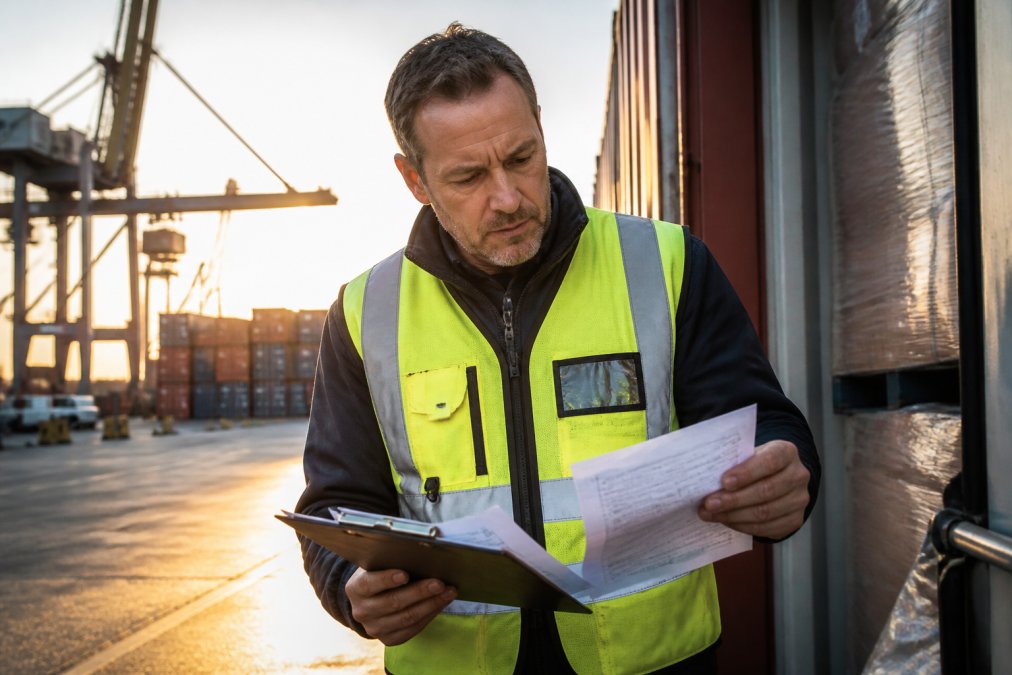
How to Simplify Customs Clearance and Meet Australian Border Force Import Requirements
Customs clearance starts before the cargo ships: accurate documentation, correct tariff classification, and early lodgement prevent most holds.
The Australian Border Force import requirements set the baseline for what must be declared and when. Get these wrong and your container sits while you pay storage.
Why Cheap Freight Rates Often Cost More
A cheap freight rate usually means the provider stripped out the work that prevents problems, you are buying less service, not a cheaper one.
|
Factor |
Low-Cost Provider |
Specialist Provider |
|---|---|---|
|
Headline rate |
Lowest |
Higher upfront |
|
Hidden port charges |
Frequent, unbudgeted |
Itemised, predictable |
|
Customs handling |
Referred out |
Managed in-house |
|
Delay response |
Reactive |
Prevented upfront |
|
Liability clarity |
Often unclear |
Defined by Incoterms |
The Role of Customs Compliance in Avoiding Delays
Customs compliance means getting every declaration, classification, and certificate right the first time, the mechanism that keeps cargo off the inspection bench.
Incoterms and Liability: Who Pays When It Goes Wrong
Incoterms decide who carries cost and risk at each stage, the contract terms most importers skim and later regret.
Risk-Adjusted ROI: The Calculation Most Importers Skip
Risk-adjusted ROI compares the true cost of a cheap shipment against a premium one, including the probability of things going wrong, most importers compare headline rates only.
|
Cost Category |
Cheap Provider |
Specialist Provider |
|---|---|---|
|
Freight rate |
Lower |
Higher |
|
Likely demurrage/storage |
Higher risk |
Lower risk |
|
Customs delay exposure |
Higher |
Reduced |
|
Admin time to fix errors |
Significant |
Minimal |
|
Predictability |
Low |
High |
How to Choose a Reliable Freight Forwarder
A reliable forwarder answers hard questions before you ask them: itemised quotes, in-house customs capability, and someone who picks up the phone when a container is stuck. Check they itemise all pass-through charges in writing, handle customs brokerage in-house, explain Incoterms and liability, provide real-time tracking, share references, and manage biosecurity checks directly.
Peak Season Shipping Challenges
Peak season turns every weak point in your supply chain into a delay: port congestion rises, free storage windows shrink, and demurrage charges climb fast. Survivors book space early, confirm documentation before the rush, and work with a provider who has capacity when everyone else is full. A specialist logistics provider earns their premium here most: when terminals are backed up, relationships and in-house clearance keep your cargo moving while cheaper options wait.
The True Cost of Expedited Shipping
Expedited shipping is not a solution to a broken process. It is a tax on one. Air freight and priority handling cost more and only help if documentation is clean; a rushed shipment with a classification error still gets held, just at a higher price. Use it for genuine urgency, not recurring delays: if you pay for speed every month, the problem is your standard process, not transit time.
The Impact of Documentation Errors on Customs
Documentation errors are the most preventable and most common cause of customs delays: a single mismatch between invoice, packing list, and declaration can trigger an inspection.
Frequently Asked Questions
What are the most common hidden port charges in Australia?
Beyond the quoted freight rate, importers commonly face terminal handling charges, wharfage, container detention and demurrage, port storage, biosecurity inspection fees, and customs entry charges. These appear on separate invoices after cargo lands, so the quoted rate rarely reflects the final cost. A specialist logistics provider builds these into the landed cost estimate upfront, which makes budgeting for shipments far more predictable.
How do specialist logistics providers prevent customs delays?
They lodge complete entries before the vessel arrives, screen documentation for errors, flag goods that need biosecurity or quarantine checks, and hold direct lines to brokers and carriers. When something is missing, they fix it during transit rather than after discharge. That preparation is what keeps containers moving instead of sitting in port storage while detention and demurrage charges accumulate.
What documentation is required to avoid customs clearance delays?
A commercial invoice, packing list, bill of lading or airway bill, and a customs entry are standard. Goods that are restricted or subject to biosecurity controls may also need import permits, treatment certificates, or fumigation records. Mistakes in values, tariff codes, or descriptions are the most common cause of holds. Sending clean, consistent paperwork before departure prevents most clearance problems.
The real question is not whether a premium is worth paying. It is what a single delayed container costs your business. At Seatram, we handle customs brokerage, biosecurity clearance, and end-to-end freight forwarding on one platform, with tailored solutions and real-time tracking that shows where your shipment actually is. Get started with Seatram and keep your cargo moving on time and on budget.