Table of Contents
- Understanding Your Shipping Needs
- Freight Forwarder vs Customs Broker: Know the Difference
- How to Compare Freight Forwarding Quotes and Services
- Freight Forwarding for Small Businesses: Finding the Right Fit
Last Updated: August 24, 2026
Understanding Your Shipping Needs
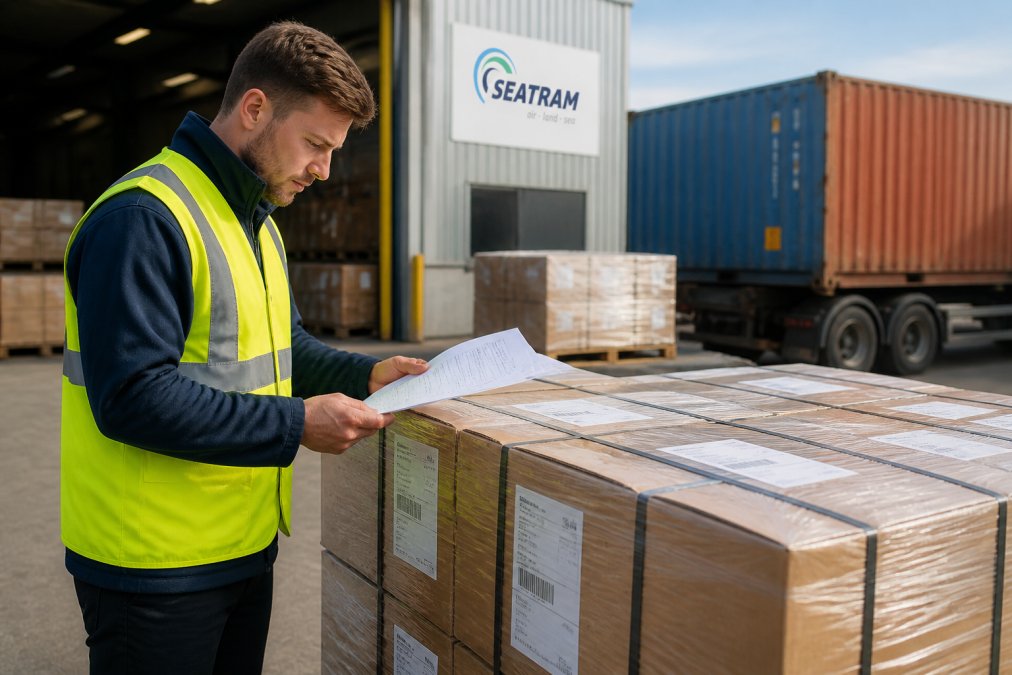
Before evaluating freight forwarders, document your shipping profile: What goods are you moving (perishables, hazardous materials, oversized equipment, or standard dry cargo)? How frequently do you ship? What’s your typical shipment weight and volume? Are you importing, exporting, or both? Which routes matter most? These answers eliminate unsuitable providers immediately.
Also consider your supply chain complexity. Do you need door-to-door service or port-to-port handling? Will you require warehousing, consolidation, or distribution? Do you need real-time tracking visibility? Understanding these operational details helps you identify a forwarder with the right infrastructure and technology.
Freight Forwarder vs Customs Broker: Know the Difference
A freight forwarder arranges the physical movement of cargo across borders, booking carrier space, handling documentation, and managing consolidation (trade.gov). They act as intermediaries between you and actual carriers (airlines, shipping lines, trucking companies).
A customs broker specialises in regulatory compliance and customs clearance, filing declarations and managing the clearance process at borders and ports. They typically don’t physically move cargo.
The distinction matters because some forwarders offer integrated customs brokerage services, while others outsource clearance to third parties. If your business imports goods requiring complex customs documentation or compliance with Australian biosecurity requirements, you’ll want a forwarder with in-house customs expertise or a trusted broker partnership.
How to Compare Freight Forwarding Quotes and Services
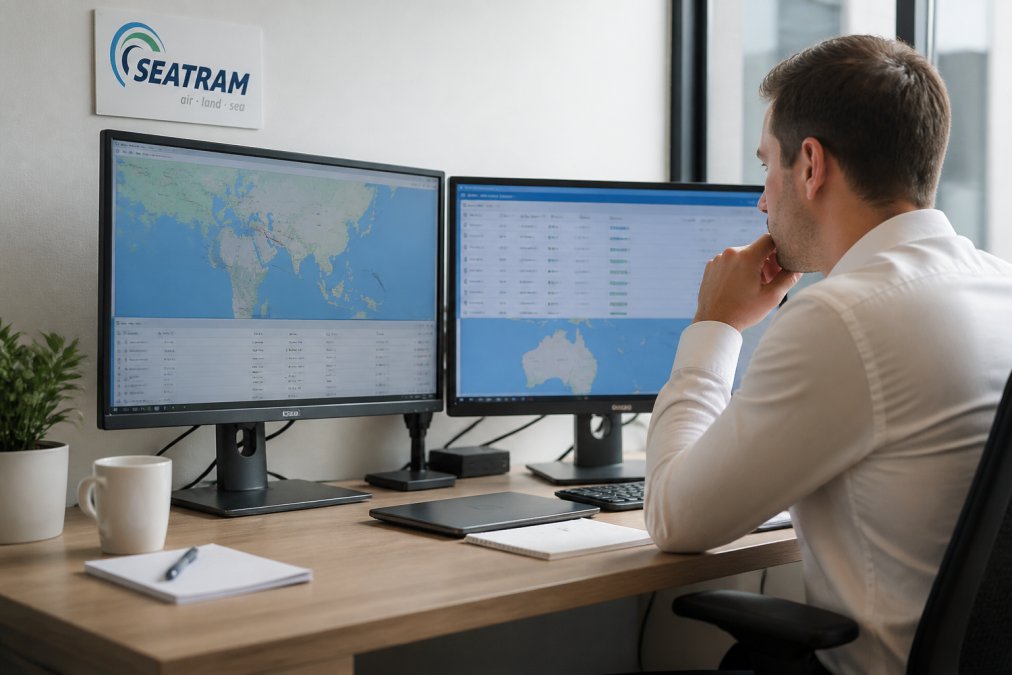
When requesting quotes, ask each forwarder for a detailed breakdown of all costs. What’s included in their base freight rate? What are separate charges? Are fuel surcharges fixed or variable? A transparent provider will give you a comprehensive cost structure upfront.
Compare not just total price but service inclusions: Do they provide real-time tracking? What’s their response time to inquiries? Do they handle customs clearance directly or outsource it? Evaluate their supply chain visibility capabilities, can they show live tracking data or only milestone updates? Ask for references from businesses similar to yours, especially if shipping perishables, hazardous cargo, or time-sensitive goods.
|
Evaluation Criteria |
What to Look For |
Why It Matters |
|---|---|---|
|
Cost transparency |
Itemised quotes with no hidden fees |
Prevents budget overruns and surprises |
|
Service scope |
Customs clearance, tracking, consolidation |
Determines whether you need multiple providers |
|
Industry experience |
Track record with your cargo type |
Reduces risk of damage or delays |
|
Technology platform |
Real-time tracking and visibility |
Improves supply chain planning |
|
Response time |
Quick answers to questions and issues |
Affects your operational efficiency |
Freight Forwarding for Small Businesses: Finding the Right Fit
Small businesses often worry they’re too small to matter to major logistics providers. Many forwarders, including specialists like Seatram, actively service small and mid-sized businesses and understand their unique constraints.
When evaluating forwarders for a small business, prioritise responsiveness and personalised service. Ask directly: Will I have a dedicated account contact, or will I reach different people each time I call? How long does it typically take to get a response to an email or phone inquiry?
Small shipment volumes benefit from freight consolidation services, where a forwarder groups your cargo with shipments from other clients to reduce per-unit costs (peer-reviewed research). Ask how often they consolidate shipments on your key routes and whether consolidation is included in base pricing or charged separately. For a small business doing 15-20 shipments monthly, consolidation can be the difference between sustainable shipping costs and viable margins (sba.gov).
Choosing the right freight forwarder affects your delivery times, shipping costs, customs compliance, and supply chain resilience. Look for a partner that understands your specific cargo requirements, offers transparent pricing, and provides real-time visibility into your shipments. Seatram specialises in tailored freight forwarding solutions for businesses of all sizes, handling sea, air, and land freight with customised service that ensures your cargo arrives safely, on time, and on budget. Request a quote today to see how a dedicated logistics partner can simplify your supply chain.
Frequently Asked Questions
What qualifications should I look for in a freight forwarder?
Look for accreditations from industry bodies, evidence of customs clearance expertise, and certifications relevant to your cargo type (hazardous goods, perishables, oversized items). Ask about their carrier relationships, supply chain visibility capabilities, and whether they offer door-to-door or wharf-to-wharf services. Request references from businesses similar to yours and verify their experience with your specific shipping modes—air freight, sea freight, or land transport.
How do I know if a freight forwarder can handle my specific cargo needs?
Discuss your requirements directly: perishable cold-chain logistics, hazardous materials compliance, or oversized equipment. Ask how they manage documentation, customs clearance, and regulatory compliance for your cargo type. Request case studies or references from companies shipping similar goods. Reliable forwarders will outline their processes for cargo insurance, temperature control, and handling delays. Avoid those offering vague assurances—specificity signals genuine capability.
What's the difference between a freight forwarder and a customs broker?
A freight forwarder arranges transport, manages logistics, and coordinates shipping across multiple modes. A customs broker specializes in customs clearance and regulatory documentation. Many freight forwarders offer in-house customs brokerage, simplifying your supply chain. Verify whether your chosen forwarder handles customs clearance directly or partners with a broker—this affects your timeline, liability, and coordination complexity.