
Last Updated: October 28, 2026
Quick Summary
Sea freight in Australia is the movement of commercial goods by vessel between an origin port and a destination port, usually arranged by a freight forwarder who books space, prepares documentation and coordinates clearance. Success depends on planning: confirm booking and cut-off times in writing, match your invoice and packing list exactly, and demand a line-by-line cost breakdown rather than a single figure.
- Australia’s water freight transport industry turns over AUD 3.2 billion a year.
- The workflow runs from booking and documentation through ocean transit to customs clearance and final delivery.
- FCL books an entire container for your goods alone, while LCL shares space with other shippers’ freight.
- Carrier liability is limited by international convention and rarely covers the full value of your cargo.
- Build buffer days into your schedule and keep a contingency budget for inspections.
Table of Contents
- Why Sea Freight Australia Shipments Succeed or Fail on Planning
- The Step-by-Step Shipment Workflow From Origin Port to Destination Port
- FCL vs LCL Shipping: Choosing the Right Container Option
- What Sea Freight Costs Really Include
- Sea Freight Transit Time by Route and Port Coverage
- Cargo Insurance for Sea Freight and Who Is Liable
- Australian Import Compliance, Biosecurity and Disruption Planning
- Request a Sea Freight Quote From Seatram
- Frequently Asked Questions
Why Sea Freight Australia Shipments Succeed or Fail on Planning
Australia’s water freight transport industry turns over AUD 3.2 billion a year, according to IBISWorld’s 2026 industry analysis, and every one of those shipments lives or dies on the planning done before the container is sealed. Sea freight in Australia is the movement of commercial goods by vessel between an origin port and a destination port, usually arranged by a freight forwarder who books space, prepares documentation and coordinates clearance. Get the planning right and cargo arrives on time and on budget. Get it wrong and you pay for storage, inspections and rework.
The Step-by-Step Shipment Workflow From Origin Port to Destination Port
- Booking with a carrier or forwarder, confirming space and sailing date
- Documentation, including the commercial invoice, packing list and bill of lading
- Cargo preparation and export clearance at origin
- Origin port handling, where the container is loaded and the vessel departs
- Ocean transit, possibly with a transshipment at an intermediate port
- Destination port arrival, discharge and customs clearance
- Final delivery by road or rail freight to your door
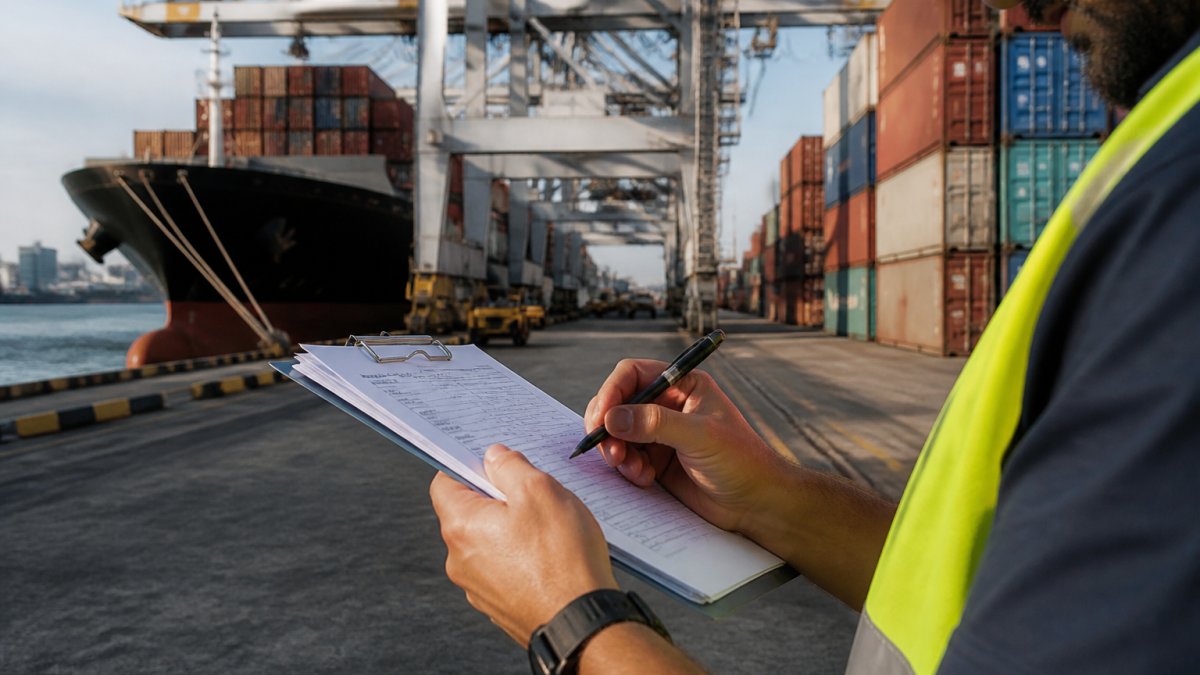
Once cargo is booked, you can follow each stage using a container tracking guide that explains what each status update actually means.
Booking, Documentation and Cargo Preparation Checklist
- Confirmed sailing date and cut-off times in writing
- Commercial invoice and packing list match exactly
- Bill of lading drafted with correct consignee details
- Goods labelled and packed for the voyage
- Export clearance lodged at origin
- Insurance arranged before the container leaves the yard
FCL vs LCL Shipping: Choosing the Right Container Option
Full container load (FCL) means you book an entire container for your goods alone. Less than container load (LCL) means your cargo shares space with other shippers’ freight.
What Sea Freight Costs Really Include
Sea freight costs depend on the shipment and the services required. Ask for a full breakdown rather than a single figure.
- Ocean freight, the base rate for carriage, quoted per container (FCL) or per revenue tonne or cubic metre (LCL)
- Origin charges, covering export handling, terminal handling, documentation and any origin-side customs brokerage
- Destination charges, covering terminal handling, wharfage, port service charges and container detention if you hold the box too long
- Customs clearance and biosecurity inspection fees, including any treatment costs if goods fail inspection
- Fuel and currency surcharges, which move with bunker prices and exchange rates
- Delivery charges, from the destination port to your door by road or rail
Pricing depends on volume, route, sailing dates and the services you need, so ask for a full breakdown rather than a single figure. Before you commit, learn how to compare freight quotes so you can spot what each provider has left out.
Worked Example: Reading a Rate Quote Line by Line
Compare totals, not headlines. Ask every provider to state what is included and what is not.
Ask for quotes in a consistent format, ocean freight, origin charges, destination charges, customs and delivery shown separately, so you can compare like with like across providers.
Sea Freight Transit Time by Route and Port Coverage
Transit time is the period from vessel departure at the origin port to arrival at the destination port, and it varies sharply by route. Port-to-port schedules into the major container ports each carry their own sailing frequency and connection patterns. Transshipment adds days, so a direct service usually beats a cheaper indirect one once you count storage and demurrage. Blank sailings also shift schedules: the rate to and from the country eased from 9.0% to 8.8% in the October 2026 freight market update, down from 13.9% three months earlier. Fewer cancelled sailings means steadier transit times.
Sailing Time vs Door-to-Door Time
Sailing time is only part of the journey. Door-to-door time adds origin handling, export clearance, port congestion at both ends, customs clearance and final delivery. Build buffer days into your schedule and keep a contingency budget for inspections. You can also take practical steps to reduce international shipping transit delays through better planning and accurate documentation.
Route-Specific Transit-Time Comparisons
Transit times vary by origin region and destination port. Rather than rely on a single published figure, ask your forwarder for the sailing time, the connection pattern and the expected door-to-door time for your specific origin and destination pair.
Cargo Preparation and Documentation Checklist
Accurate documentation is the single biggest lever you control over transit time. Before the container leaves the origin yard, confirm:
- Commercial invoice and packing list match exactly
- Bill of lading drafted with correct consignee and notify party details
- Goods labelled and packed for the voyage
- Export clearance lodged at origin
- Insurance arranged before the container leaves the yard
- Any required import permits or treatment certificates obtained in advance
Treat the checklist as part of the transit plan, not an afterthought.
Cargo Insurance for Sea Freight and Who Is Liable
Cargo insurance for sea freight covers loss or damage to goods in transit, and it is separate from the carrier’s liability. Carrier liability is limited by international convention and rarely covers the full value of your cargo. That gap is why shippers arrange their own cover. Check the policy for exclusions, particularly around packing standards and perishables, and confirm cover starts before the container leaves the origin yard.
Australian Import Compliance, Biosecurity and Disruption Planning
Classifying goods correctly is important. Follow this step-by-step guide to classifying goods for Australian customs to get it right. Plan for disruption too: build buffer days into your schedule and keep a contingency budget for inspections. This guide to preparing goods for biosecurity inspection covers the practical steps.
| Risk | Warning Sign | Practical Fix |
|---|---|---|
| Customs hold | Incomplete or mismatched documents | Check invoice and packing list before booking |
| Biosecurity inspection | Untreated timber or soil on cargo | Prepare and label goods at origin |
| Transit delay | Blank sailings or transshipment | Add buffer days and track closely |
| Cost overrun | Quote with vague inclusions | Demand a line-by-line breakdown |
Request a Sea Freight Quote From Seatram
Sea freight in Australia rewards planning and punishes guesswork. The importers who get it right treat documentation, compliance and cost breakdowns as part of the job, not an afterthought.
That is where we come in. Seatram provides tailored, end-to-end supply chain solutions across sea, air and land freight, with both wharf-to-wharf and door-to-door options. Seatram offers customised service for individual client requirements.
Get started with Seatram and move your cargo safely, on time and on budget. Request a quote today.
Frequently Asked Questions
Are ocean freight and sea freight the same thing?
Yes. Ocean freight and sea freight describe the same mode of transport, and providers use the terms interchangeably. Both cover full container load (FCL) and less than container load (LCL) options moved by vessel between an origin port and a destination port. What changes between providers is not the name but the service scope: port-to-port versus door-to-door, who handles customs clearance, and how shipment visibility is reported. Ask any forwarder which parts of the chain they actually manage before you compare rates.
What is the difference between FCL and LCL sea freight?
FCL means you book a whole container. LCL means your cargo shares a container with other shippers.
How much does it cost to ship a container, and what is included in sea freight costs?
Pricing depends on the shipment and the services required. Ask for a breakdown of what is included and excluded.
What does cargo insurance for sea freight cover, and who is liable if cargo is damaged?
Carrier liability is capped by international convention and is usually far below the real value of your goods, so relying on it rarely covers a full loss. Cargo insurance for sea freight covers physical loss or damage during transit, and marine policies typically exclude inherent vice, inadequate packing and delay-related losses unless specifically extended. If you ship perishables or high-value parts, declare the correct value and check the packing requirements in writing, because most claim disputes come down to how the cargo was prepared before loading.
