Table of Contents
- How to Book International Freight Services Online
- Getting Freight Quote Comparison Tools Right
- Understanding Customs Clearance Requirements for International Shipping
- Incoterms Explained for Australian Businesses
Last Updated: August 21, 2026
How to Book International Freight Services Online
Booking international freight services online has transformed how businesses manage shipments across borders. Start by documenting your cargo’s weight, dimensions, and contents, then specify whether you need air freight, ocean freight, or land transport based on your timeline and budget.
Enter precise origin and destination details, accurate addresses and postcodes are essential for customs clearance. Provide your contact information and preferred delivery method: door-to-door, port-to-port, or wharf-to-wharf service.
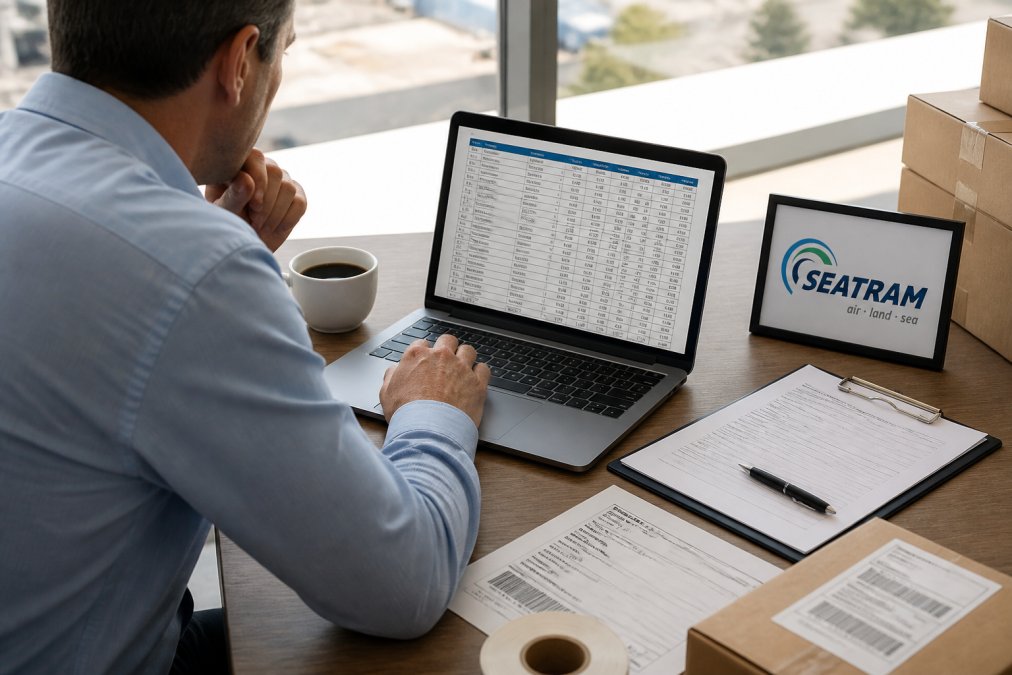
Most platforms generate instant quotes based on your specifications. Review transit time and total cost, then upload your commercial invoice and export documentation. Providers like Seatram offer integrated platforms where you manage all shipments in one place with real-time tracking.
Getting Freight Quote Comparison Tools Right
A freight quote comparison tool lets you evaluate rates and services across multiple carriers without contacting providers individually. Input your shipment details once and receive multiple quotes instantly.
Compare not just total cost but what’s included: fuel surcharges, port fees, customs brokerage, and insurance. Pay attention to transit time estimates, the cheapest option isn’t always the fastest. Your decision should match your business priorities: a food business shipping perishables needs speed; a company importing non-urgent inventory can accept longer transit windows.
Check whether the platform provides real-time tracking. Genuine real-time tracking shows your shipment’s actual location and expected arrival, reducing uncertainty.
Understanding Customs Clearance Requirements for International Shipping
Customs clearance is mandatory for all international shipments (cbp.gov). Your shipment requires a commercial invoice listing contents, value, and country of origin, plus a bill of lading (ocean freight) or airway bill (air freight) as proof of shipment.
HS codes (Harmonised System codes) classify your goods for tariff purposes. Each product category has a unique code that determines the import duty rate. Incorrect coding can delay clearance or result in unexpected charges.
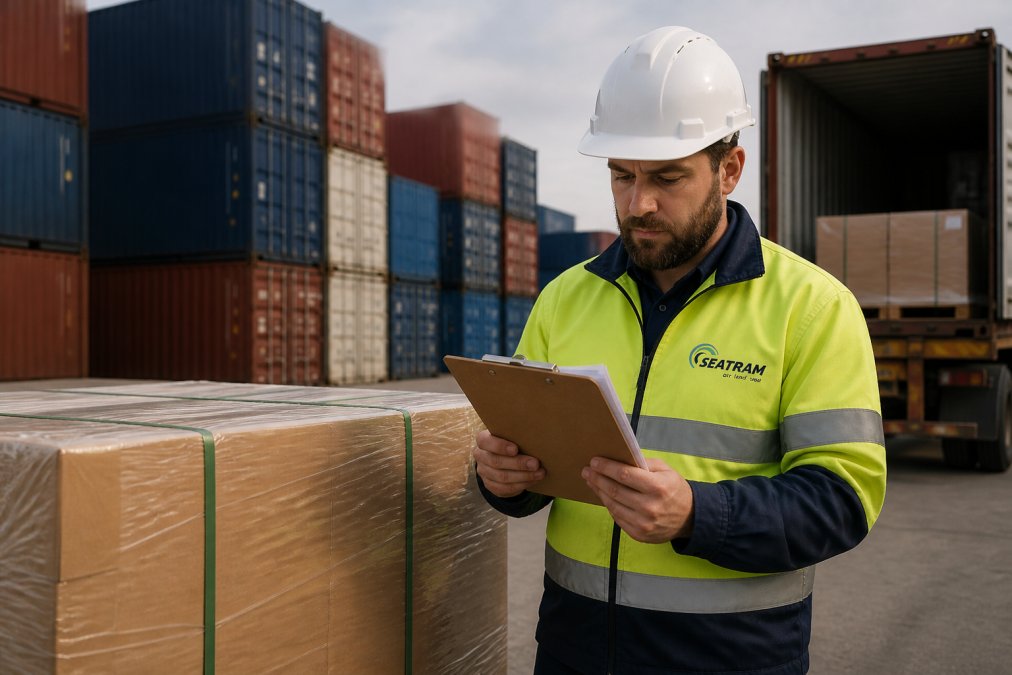
Import duties are calculated as a percentage of declared value and vary by product type and destination country (wco.org). Biosecurity requirements also apply to certain imports, particularly food, plants, and animal products. Australia’s Department of Agriculture enforces these regulations strictly, and non-compliance results in shipment rejection or destruction.
Incoterms Explained for Australian Businesses
Incoterms define who pays for shipping, insurance, and customs clearance. FOB (Free on Board) means the seller pays for transport to the port and loading; you assume responsibility once cargo is on the vessel. CIF (Cost, Insurance, and Freight) means the seller covers transport, insurance, and freight to your destination port; you handle customs clearance and final delivery.
DDP (Delivered Duty Paid) is most comprehensive: the seller covers everything, including import duties and final delivery to your door. EXW (Ex Works) places all responsibility on you from the moment goods leave the supplier’s facility.
For most Australian importers, CIF or DDP works best because it clarifies costs upfront. Specify the Incoterm in your purchase order to prevent costly misunderstandings and determine who manages customs clearance, bears delay costs, and holds liability.
Booking international freight online simplifies your supply chain, but success depends on accurate documentation and clear communication. Customs clearance requirements, incoterms, and carrier selection all influence your shipment’s speed and cost. Seatram specialises in managing these complexities for Australian businesses, offering tailored end-to-end solutions that ensure your cargo reaches its destination safely, on time, and on budget. Request a quote today to see how a dedicated freight forwarding partner can simplify your international logistics.
Frequently Asked Questions
What documents are required to book international freight online?
Most online freight booking platforms require a commercial invoice, bill of lading, packing list, and HS codes for your goods. For perishables or hazardous cargo, you'll need additional certifications. Customs clearance documentation varies by destination country. Specialist forwarders like Seatram can assist with much of this paperwork, ensuring compliance with import and export regulations. Always confirm with your freight provider which documents they'll manage and which you must prepare.
How do I compare international freight quotes effectively?
Request quotes from multiple carriers specifying your cargo weight, dimensions, origin, destination, and required transit time. Compare not just the base rate but what's included: door-to-door delivery, handling fees, fuel surcharges, port fees, and insurance. Check if the quote covers customs clearance and last-mile delivery. Real-time tracking capability and responsive customer support matter as much as price, especially for time-sensitive or high-value shipments. Ask for a full breakdown before committing.
What's the difference between an online freight marketplace and a specialist forwarder?
Online marketplaces offer speed and price comparison but often provide limited support for complex cargo like perishables or hazardous goods. Specialist forwarders invest in relationships, expertise, and customised solutions tailored to your specific needs. They can manage cold-chain logistics, biosecurity compliance, and customs brokerage directly rather than routing you through intermediaries. For businesses shipping regularly or handling sensitive goods, a dedicated forwarder can provide accountability and problem-solving that automated platforms may not match.