Table of Contents
- What Cold Chain Logistics Involves
- Temperature Controlled Shipping Requirements
- Cold Chain Monitoring Technology and Real-Time Tracking
- Cold Chain Risk Management Strategies
Last Updated: August 21, 2026
What Cold Chain Logistics Involves
Cold chain logistics encompasses the coordinated management of temperature-controlled environments throughout the entire journey of perishable goods, from production through storage, transport, and final delivery. Any temperature excursion, even brief, can compromise product quality, reduce shelf life, or render goods unsaleable (peer-reviewed research). Real-time monitoring and data logging have transformed how businesses manage these risks, integrating thermal sensors, automated alerts, and traceability systems that track conditions continuously and allow teams to intervene before excursions become critical failures.
Temperature Controlled Shipping Requirements
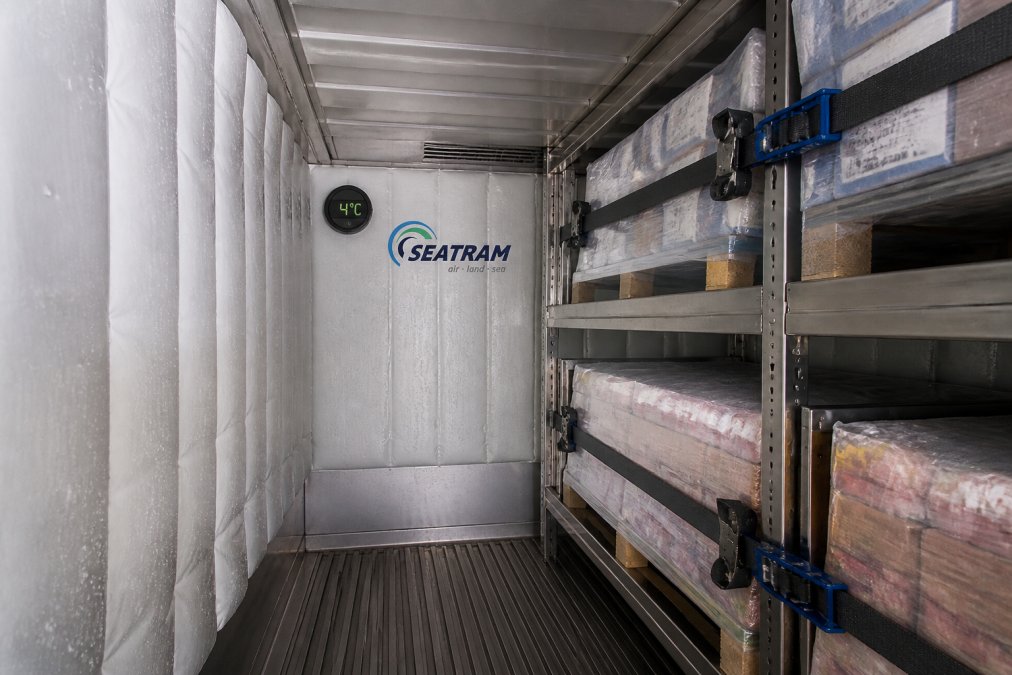
Different product categories require different thermal ranges: pharmaceutical products typically require 2-8°C, whilst frozen goods demand -18°C or lower (check product-specific guidelines). Specialised packaging and insulation materials form the foundation of thermal control. Passive systems use phase-change materials, gel packs, and high-performance insulation to buffer temperature fluctuations during transit. Active systems employ refrigerated containers with compressor-driven cooling. The choice depends on transit duration, ambient conditions, and cargo sensitivity.
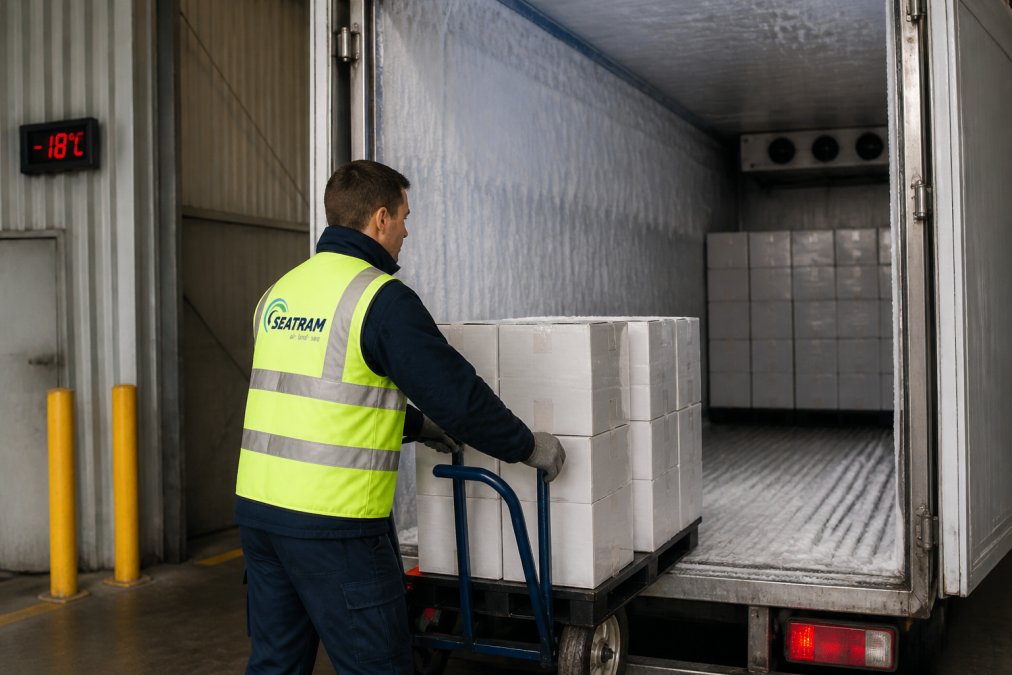
Proper loading and unloading procedures protect thermal integrity at vulnerable handoff points. Pre-cooling containers, minimising door-open time, and staging cargo in temperature-controlled facilities between journey legs all reduce the risk of thermal shock. Many spoilage incidents occur not during transit but during warehouse transfers or cross-docking operations where goods sit exposed.
Cold Chain Monitoring Technology and Real-Time Tracking
Data loggers and IoT sensors provide continuous temperature records throughout transit, capturing readings at set intervals and creating an audit trail that proves compliance with Good Distribution Practice (GDP) standards ([EXTERNAL_LINK: European Medicines Agency guidelines on Good Distribution Practice | ema.europa.eu]). Real-time monitoring platforms integrate sensor data with supply chain visibility systems, offering logistics teams immediate alerts if temperatures drift outside acceptable ranges. Rather than waiting for end-of-shipment reports, teams can respond in-transit by rerouting cargo, adjusting refrigeration settings, or arranging emergency cooling.
Traceability systems link temperature data to specific shipments, batches, and recipients. When a product reaches the customer, the complete thermal history is available for regulatory inspection, quality assurance audits, or liability investigation.
Cold Chain Risk Management Strategies
Risk mitigation begins with validation testing. Before deploying a new route, packaging configuration, or refrigeration system, organisations must conduct thermal mapping studies to confirm the solution maintains target temperatures under realistic conditions. Contingency planning addresses equipment failure, weather delays, and unexpected route changes through backup refrigeration units, alternative courier arrangements, and pre-positioned emergency cooling supplies.
Supply chain visibility and documentation practices anchor the entire system. Maintaining detailed records of storage temperatures, transport conditions, handling procedures, and quality checks creates defensible evidence of compliance and determines outcomes when disputes arise over product condition or liability.
Seatram’s approach to cold chain logistics combines these elements into customised solutions tailored to each client’s specific requirements. By integrating real-time monitoring, validated packaging, and responsive customer service, Seatram ensures cargo reaches its destination safely, on time, and within specification, whether managing pharmaceutical imports, fresh produce exports, or frozen food distribution across regional and international routes.
Maintaining cold chain integrity demands precision, visibility, and responsive logistics partners. Seatram provides the tailored cold chain logistics expertise, real-time tracking systems, and door-to-door capability that businesses require to protect product quality and regulatory compliance. Request a Quote to discuss your cold chain requirements with our specialist team.
Frequently Asked Questions
What are the key components of cold chain logistics?
Cold chain logistics requires temperature-controlled storage, insulated packaging, refrigerated transport, real-time monitoring, and proper handling procedures. Each component works together to maintain product integrity from origin to destination. Data loggers track temperature throughout the journey, whilst thermal packaging protects goods during transit. Compliance documentation and traceability systems ensure accountability at every stage, protecting both your cargo and your reputation.
How does cold chain monitoring technology prevent spoilage?
Cold chain monitoring technology uses data loggers and IoT sensors to record temperature continuously during storage and transport. These devices alert you immediately if temperatures drift outside safe ranges, allowing rapid intervention before product damage occurs. Real-time visibility lets you identify excursions early, reroute shipments if needed, and maintain cold chain integrity. This proactive approach significantly reduces spoilage losses compared to checking temperatures only at delivery.
What cold chain risk management strategies should we implement?
Effective cold chain risk management includes validation of all storage and transport equipment, contingency planning for equipment failures, regular temperature mapping audits, and clear handling protocols for your team. Establish backup refrigeration systems, maintain detailed compliance documentation, and conduct regular cold chain audits. Partner with experienced logistics providers who understand excursion management and can demonstrate their quality assurance processes.