
Table of Contents
- Common Reasons for Customs Clearance Delays
- Import Documentation Requirements
- Using a Licensed Customs Broker
- How Long Does Customs Clearance Take
Last Updated: August 25, 2026
Customs clearance delays can halt your entire supply chain. A shipment stuck at the border isn’t just an inconvenience, it’s lost revenue, frustrated customers, and operational chaos. The good news is that most delays are preventable. This guide covers practical steps to avoid customs clearance delays, from documentation to choosing the right broker. You’ll find actionable strategies that reduce hold-ups and keep shipments moving.
Common Reasons for Customs Clearance Delays
Most customs delays stem from incomplete paperwork, missing information, or misclassification of goods. The most frequent culprit is incorrect or missing documentation, your commercial invoice, bill of lading, and import declaration must match exactly. Even a typo in product description or quantity flags the shipment for manual inspection. Biosecurity holds are equally common for food, plants, or animal products, as Border Protection and DAFF inspect these rigorously. Tariff classification errors also create problems: goods coded under the wrong tariff code stall until customs resolves it. Prohibited or restricted items without proper permits compound the issue further.
Import Documentation Requirements
Your import documentation is your first line of defence against customs clearance delays. Every import requires a commercial invoice, bill of lading (or air waybill), and an import declaration. The commercial invoice must show the exporter, importer, goods description, quantity, unit price, and total value in AUD. Your bill of lading proves ownership and must match your commercial invoice exactly.
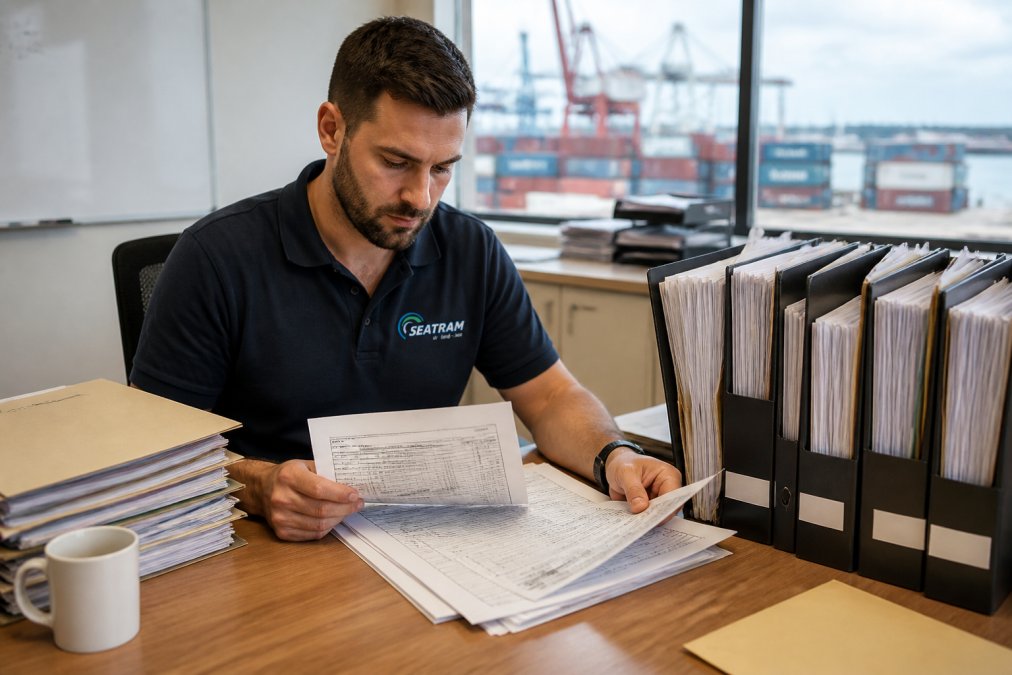
For goods subject to biosecurity requirements, you’ll need a biosecurity import permit or declaration from DAFF. Obtain permits before shipment; arriving without them guarantees a hold. If your goods are restricted (textiles under trade agreements, quota items, or controlled substances), you’ll need category-specific import permits. Verify your freight forwarder has submitted the manifest, the detailed list of items in your shipment, as incomplete manifests trigger inspections.
Using a Licensed Customs Broker
A licensed customs broker handles your import declaration, communicates with Border Protection, and resolves issues on your behalf. Customs brokers are licensed by the Department of Home Affairs and know current regulations, tariff classifications, and biosecurity requirements (homeaffairs.gov.au). They have direct relationships with Border Protection officers and can expedite clearance when issues arise. Brokers also manage valuation for duty calculation, preventing costly reclassification holds and advising on tariff classification before you ship.

The cost of using a broker is offset by time saved and penalties avoided. Many businesses try to self-clear shipments to save money, only to lose far more when delays occur.
How Long Does Customs Clearance Take
Customs clearance times vary based on goods type, documentation quality, and whether inspections are required. Simple, low-risk shipments with proper documentation typically clear in 24-48 hours (cbp.gov). Biosecurity items, restricted goods, or anything flagged for inspection can take 5-10 business days or longer. Quarantine inspections for food or agricultural products add 3-7 days as DAFF conducts on-site inspections. Post-clearance audits may also occur, particularly for high-value shipments or new importers, though these don’t delay release.
Frequently Asked Questions
How long does it take for a package to clear customs in Australia?
Customs clearance typically takes 1–3 business days for straightforward shipments with complete documentation. Complex items, biosecurity inspections, or missing paperwork can extend this to 1–2 weeks or longer. The timeframe depends on cargo type, whether duties apply, and how quickly you provide required documents. Working with a licensed customs broker and submitting all documentation upfront significantly reduces delays.
What documents are required for smooth customs clearance in Australia?
Essential documents include a commercial invoice, bill of lading or airway bill, packing list, and import declaration. For certain goods, you may need an import permit, phytosanitary certificate (for food or plants), or hazardous goods documentation. Biosecurity items require DAFF (Department of Agriculture, Fisheries and Forestry) approval. Ensure all documents match your shipment exactly: product descriptions, quantities, values, and weights must be consistent across all paperwork. Incomplete or mismatched documentation is a leading cause of customs holds.
Should I use a licensed customs broker to clear my shipment?
A licensed customs broker handles import declarations, tariff classification, duty calculation, and DAFF compliance on your behalf. They know regulatory requirements and can identify issues before they cause delays. For perishables, hazardous cargo, or high-value shipments, a broker is essential. Even for routine imports, a broker saves time and reduces the risk of costly errors. If you import regularly, using a broker is a practical investment that prevents delays and compliance problems.