Table of Contents
- How to Manage International Freight Logistics: Core Steps
- Customs Clearance Requirements Australia and Beyond
- Incoterms 2020 Explained for Businesses
- Managing Supply Chain Risks in Logistics
Last Updated: August 21, 2026
How to Manage International Freight Logistics: Core Steps
Managing international freight logistics requires balancing cost, speed, and reliability through four fundamental steps: selecting the right transport mode, preparing documentation, arranging customs clearance, and monitoring shipments in real time.
Transport mode selection depends on cargo type, urgency, budget, and destination. Air freight moves cargo quickly but costs more. Sea freight handles large volumes economically but takes longer. Road and rail offer middle-ground solutions for specific routes.
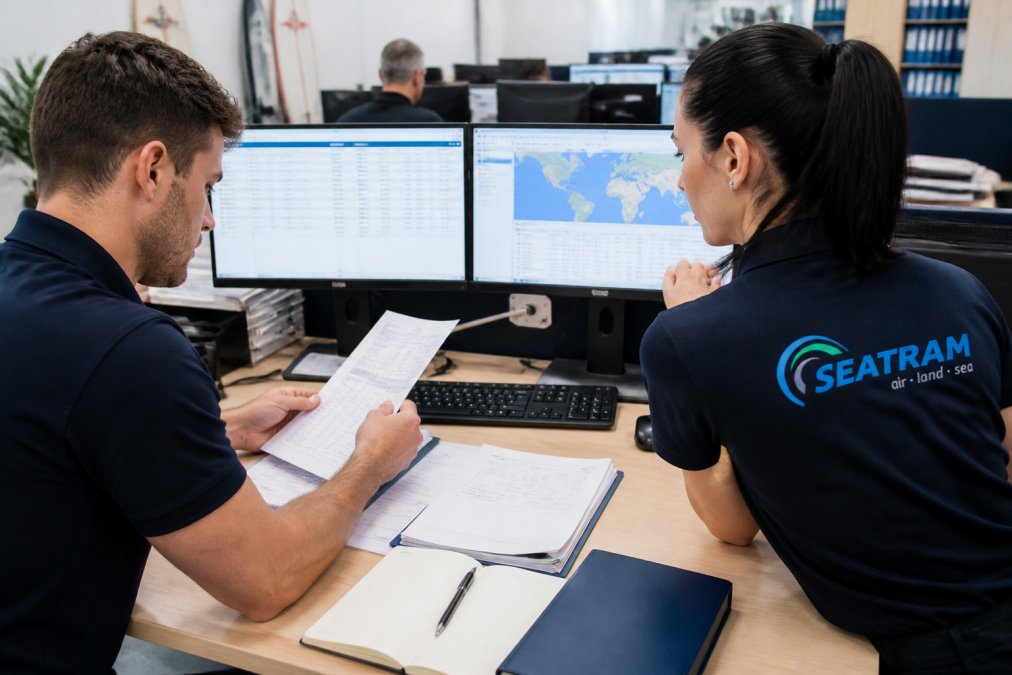
Every international shipment requires a bill of lading, commercial invoice, and packing list. Missing or incorrect paperwork causes delays at borders. Customs clearance rules vary by country, some goods require permits, certificates, or inspections. Working with a customs broker or freight forwarder saves time and prevents costly mistakes. Real-time tracking ensures visibility throughout transit and helps you manage customer expectations.
Customs Clearance Requirements Australia and Beyond
Customs clearance is where many shipments get stuck. Understanding the rules before shipping prevents expensive delays.
In Australia, the Department of Home Affairs manages customs clearance through the Australian Border Force (ABF) (homeaffairs.gov.au). Imported goods must be declared, assessed for duty, and inspected if required. Biosecurity rules are particularly strict for food, plants, and animal products. Different countries have different processes: the European Union requires detailed product classification, the United States demands advance cargo information 24 hours before arrival, and Canada enforces strict origin-of-goods rules.
Duties and taxes apply to most imports. Tariff rates depend on the product classification code (HS code). Some goods qualify for preferential rates under trade agreements. A bill of lading must show the shipper, consignee, cargo description, and transport terms. A commercial invoice must match the bill of lading exactly, any discrepancy triggers inspections or holds.
Incoterms 2020 Explained for Businesses
Incoterms define who pays for transport, insurance, and customs clearance. Getting this wrong creates disputes and unexpected costs.
Incoterms 2020 clarify responsibility at each stage of the journey (iccwbo.org). FOB (Free on Board) means the seller pays for transport to the port and loading; the buyer takes ownership and risk once cargo is on board and pays for ocean freight, insurance, and customs clearance. CIF (Cost, Insurance, and Freight) means the seller pays for transport and basic insurance to the destination port; the buyer takes ownership at the destination port but pays unloading and customs clearance. DDP (Delivered Duty Paid) means the seller handles everything: transport, insurance, customs clearance, and duty. EXW (Ex Works) means the buyer arranges and pays for everything from the seller’s location.
Choosing the right term affects your cash flow, risk exposure, and total cost.
Managing Supply Chain Risks in Logistics
Supply chain disruptions cost money. Weather delays ports, customs holds shipments, and carriers overbooking routes. Managing these risks requires planning and partnerships.
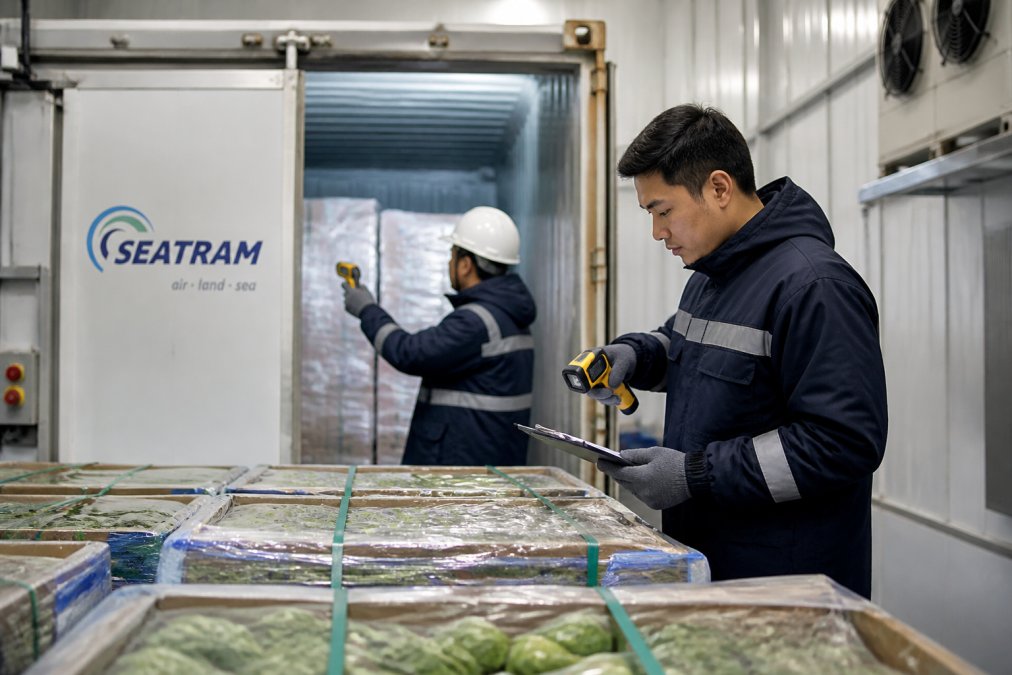
Diversification reduces dependency on a single route or carrier. Insurance protects against loss or damage, standard marine insurance covers total loss, while all-risk coverage includes theft, weather damage, and handling damage. For perishables, temperature-failure coverage protects against spoilage. Insurance costs 1-3% of cargo value but saves thousands if something goes wrong (peer-reviewed research).
Visibility systems alert you to problems early. Real-time tracking shows delays before they affect your customers, and temperature sensors on perishable shipments alert you if cooling fails. A responsive freight forwarder communicates proactively and knows which customs brokers are efficient, which routes are congested, and which carriers are reliable. Documentation accuracy prevents customs delays, and regulatory compliance protects your business, export controls restrict what you can ship to certain countries, and some products require import licences.
Frequently Asked Questions
What documentation is required for international shipping?
Essential documents include a commercial invoice, bill of lading (for sea freight), airway bill (for air freight), packing list, and certificates of origin. For regulated goods, you may need phytosanitary certificates, health certificates for perishables, or hazmat documentation. Customs brokers can verify exact requirements based on your destination and product type. Missing or incorrect documentation delays clearance and increases costs.
How does Incoterms 2020 affect freight management?
Incoterms 2020 define responsibility for costs, insurance, and risk transfer between buyer and seller. For example, FOB means the seller pays freight to the port; CIF includes freight and insurance. Choosing the right Incoterm prevents disputes, clarifies who arranges customs clearance, and ensures accurate cost forecasting. Misalignment between your Incoterm and actual responsibilities creates liability gaps and budget overruns.
How can I reduce international freight costs without sacrificing reliability?
Consolidate shipments to fill containers efficiently, negotiate fixed rates with carriers, plan shipments in advance to avoid expedited fees, and choose the right transport mode (sea is cheaper but slower; air is faster but costly). Understand what's included in quoted rates to avoid hidden surcharges. Work with a freight forwarder who can optimise route planning and carrier selection based on your timeline and budget.